
Global conflicts always seem political but often affect much more than politics and security.
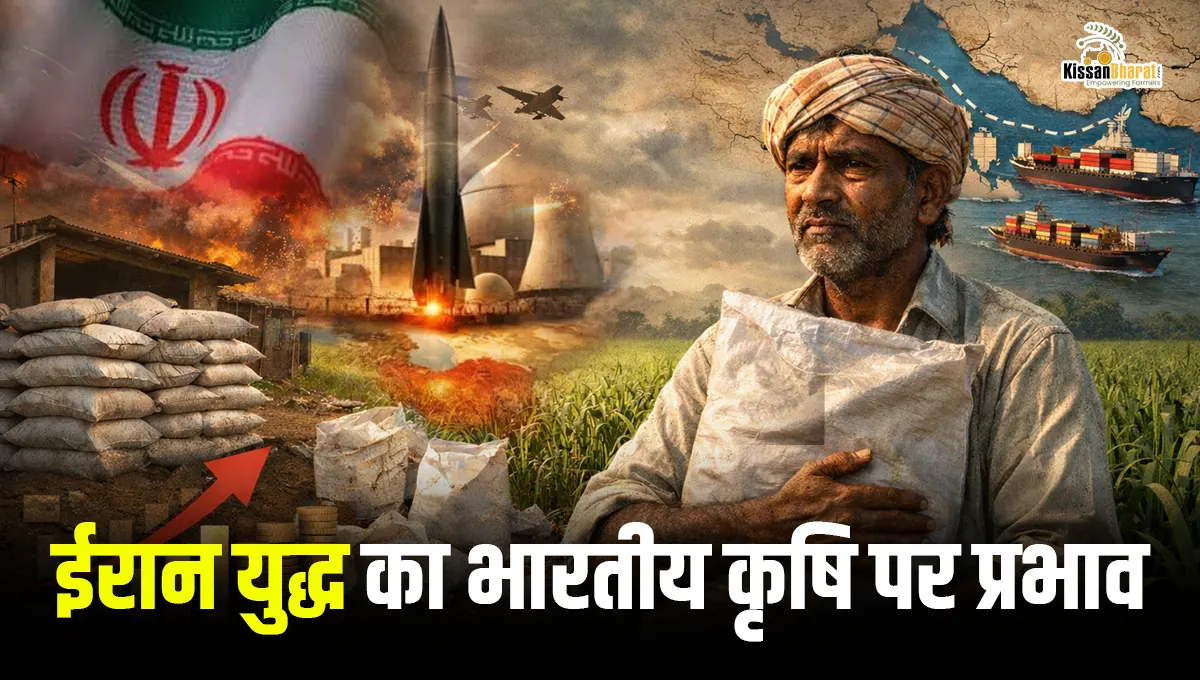
The ongoing tensions and conflict involving Iran in the Middle East are already influencing global oil markets, fertilizer supplies, and trade routes. Even though the conflict is far from India geographically, it can still have a significant impact on Indian agriculture and farmers.
India is one of the world’s largest agricultural producers, but it also depends heavily on imports for certain resources like fertilizers, crude oil, and agricultural inputs. Because of this dependence, any disruption in global supply chains caused by war can affect farming costs and agricultural markets in India.
Here’s a quick breakdown of what the situation could mean for agriculture in India.
Why the Iran Conflict Matters for Agriculture
The Middle East is one of the world’s most important regions for energy production and global shipping routes. A large share of global oil and fertilizer shipments move through the Strait of Hormuz, a narrow sea route near Iran.
If tensions in this region escalate, global supply chains can be disrupted. For India, which imports large quantities of crude oil and fertilizers, such disruptions can have ripple effects across the Indian agricultural sector.
Rising Fuel Prices Could Increase Farming Costs
One of the first areas affected by geopolitical conflicts in the Middle East is crude oil prices.
India imports more than 80% of its crude oil, which means any rise in global oil prices can quickly translate into higher diesel prices domestically.
For farmers, this matters because diesel is widely used for:
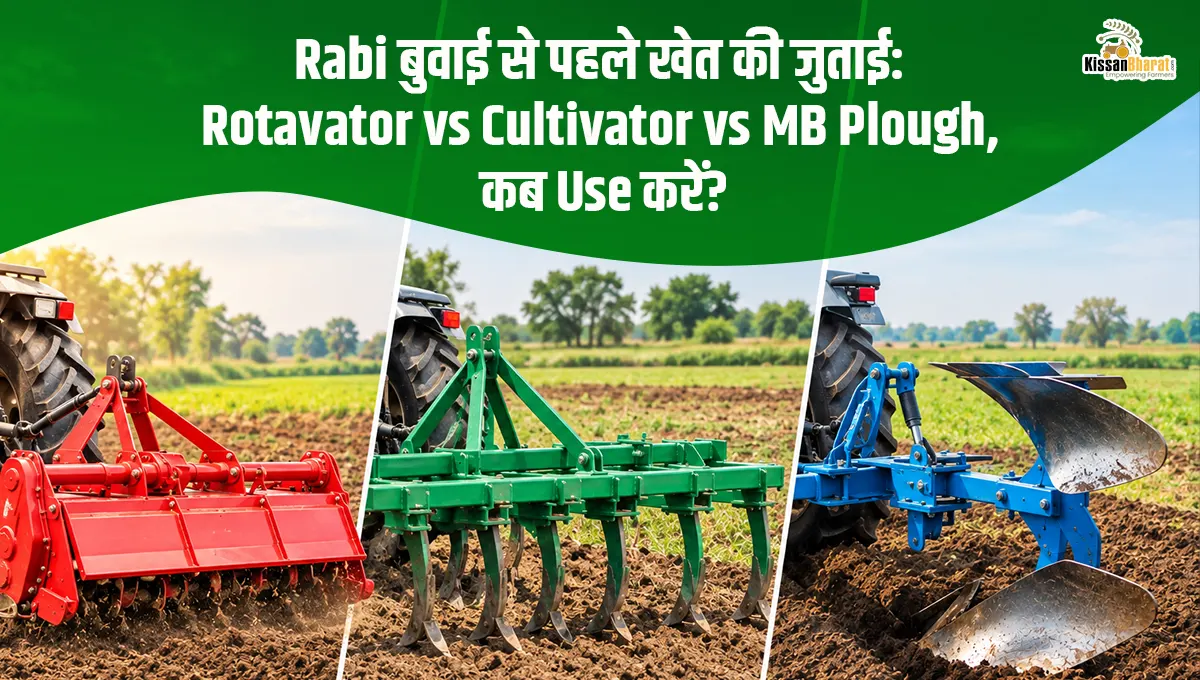
- Operating tractors and agricultural machinery
- Running irrigation pumps
- Transporting crops to markets
If diesel prices increase significantly, farmers may face higher cultivation and transportation costs, which could reduce profit margins.
Fertilizer Supply Could Face Pressure
Fertilizers are another area that could be affected by this ongoing conflict.
India depends heavily on imports for phosphatic and potassic fertilizers, and many of these shipments pass through Middle Eastern trade routes. If shipping routes are disrupted or insurance and freight costs increase, fertilizer supplies could tighten.
Possible impacts include:
- Higher fertilizer prices
- Delays in fertilizer availability
- Increased dependence on government subsidies
For farmers preparing for upcoming sowing seasons, fertilizer availability is crucial for maintaining crop yields.
Energy Costs and Fertilizer Production
Natural gas is a key raw material for producing nitrogen-based fertilizers such as urea. If energy prices rise due to geopolitical tensions, fertilizer production costs could increase globally.
This could lead to:
- Higher fertilizer import prices
- Greater pressure on government fertilizer subsidy programs
- Potential supply fluctuations during peak agricultural seasons
Ensuring a stable fertilizer supply will therefore remain a key policy priority.
Global Food Prices May Become Volatile
Geopolitical conflicts often create uncertainty in global commodity markets. When production costs rise or trade routes are disrupted, food prices can become volatile.
For India, this situation can have mixed outcomes.
Challenges
- Rising input costs for farmers
- Potential food inflation in domestic markets
Opportunities
- Higher demand for Indian food exports if global supply tightens
India is already one of the world’s leading exporters of rice and several other agricultural products. In times of global supply disruptions, demand for Indian crops could increase.
Agricultural Trade and Export Opportunities
India exports several agricultural commodities to international markets, including:
- Rice
- Sugar
- Spices
- Marine products
If global supply chains shift due to conflict, Indian exporters could benefit from higher international demand.
However, shipping disruptions or rising freight costs may also increase export expenses. This could affect profitability for traders and exporters.
Possible Government Response
To protect farmers and consumers during global disruptions, governments often intervene through policy measures.
In India, potential steps could include:
- Increasing fertilizer subsidies
- Monitoring fuel price impacts on agriculture
- Adjusting export policies to maintain food security
- Supporting farmers through agricultural schemes
These policy responses help ensure that farmers are not heavily affected by sudden changes in global markets.
The Bottom Line
The Iran conflict highlights how global geopolitics can influence agriculture, even in countries far from the conflict zone.
For Indian farmers, the main areas to watch include:
- Fertilizer prices and availability
- Diesel and energy costs
- Global food demand and export opportunities
While rising input costs could create challenges, shifts in global food markets may also open new opportunities for Indian agriculture.
Staying informed about global developments and government policies will help farmers and agricultural businesses adapt to changing market conditions.