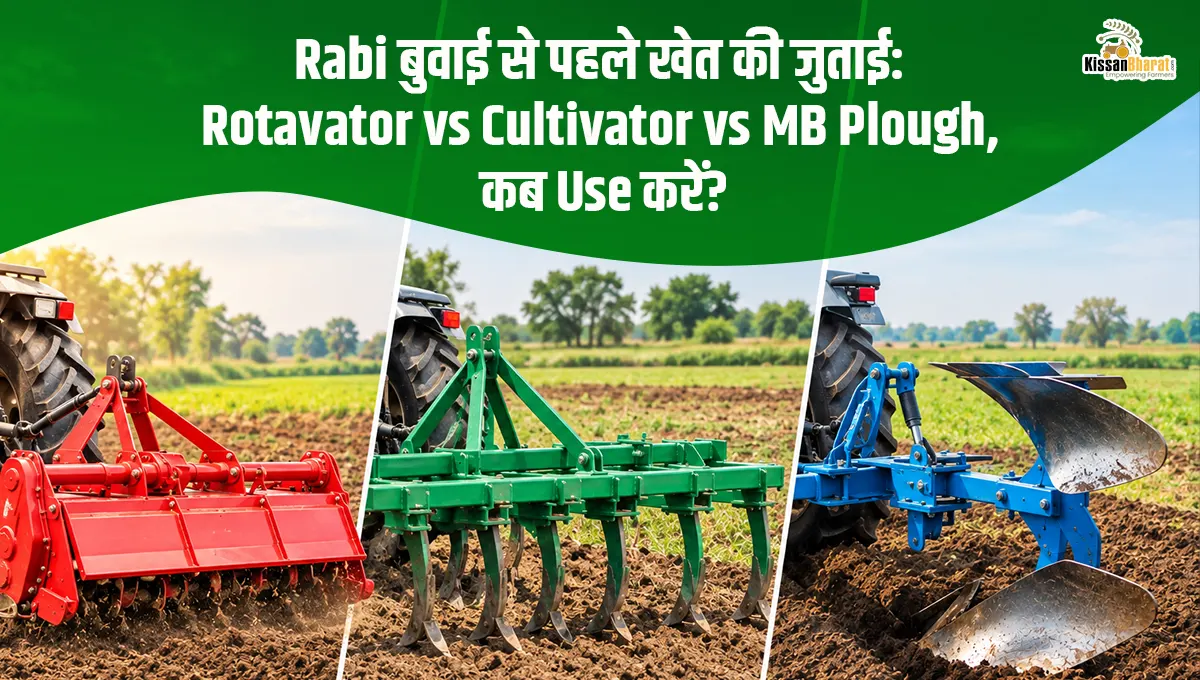

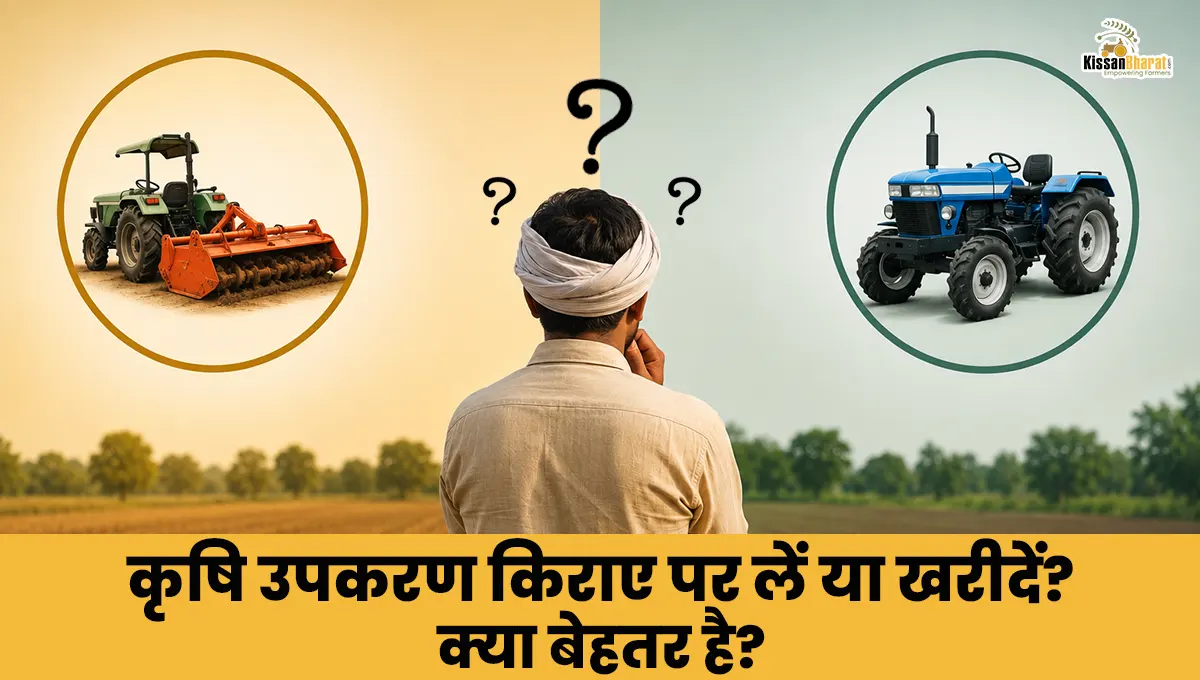
Making the decision to rent or buy farm equipment is perhaps the most crucial financial choice facing contemporary farmers. Due to the high costs involved in purchasing equipment, farmers are increasingly opting to rent instead of spending more money to purchase their own.
Although there are obvious benefits to purchasing, such as ownership and guaranteed access, there are also some downsides to this route. The same goes for renting, which also comes with its pros and cons. So, which is a better choice? Well, this blog will shed light on the differences between renting versus buying to enable you to make better choices.
Why This Decision Matters in Modern Farming
Farming today is greatly dependent on mechanization, and farming equipment has great significance in enhancing efficiency and productivity levels. The prices of these machines are very high, and owning them is considered a costly decision.
Access to agricultural machinery is one of the main elements that contribute to the improvement in farm productivity and labor dependency. That is the reason why farmers are now considering whether purchasing agricultural equipment would be more profitable compared to renting it.
Buying Farm Equipment: Pros and Cons
Purchasing farm machinery involves a considerable capital investment where the farmer can get full possession and control of their equipment. This means having access to equipment at all times without relying on any outside sources. This is generally favorable to farmers who undertake large-scale agricultural operations.
Pros:
- Low cost in the long run
- Greater control over utilization
- No restrictions on timing
- Suitable for routine farming activities
Cons:
- High Initial cost
- Cost of maintenance and repairs
- Space needed for storage
- Possibility of underutilization
For small-scale farmers and part-time users, purchasing costly farm equipment may not be feasible.
Renting Farm Equipment: Pros and Cons
The renting of equipment offers flexibility by allowing farmers to use up-to-date equipment without any major investments on their part. The practice proves to be useful when there is seasonal or temporary need for such equipment.
Pros:
- Inexpensive at first
- Maintenance not required
- Use of advanced equipment
- Season-based availability
Cons:
- Not available during peak season
- No ownership in the long run
- Continuous expense from renting
- Limited control over equipment
Buying vs Renting
|
Factor |
Buying Farm Equipment |
Renting Farm Equipment |
|
Initial Cost |
High |
Low |
|
Long-Term Cost |
Lower |
Higher (if frequent use) |
|
Maintenance |
Farmer responsibility |
Owner responsibility |
|
Flexibility |
High ownership control |
High usage flexibility |
|
Availability |
Always available |
Depends on rental supply |
|
Best For |
Large & frequent farming |
Small & seasonal farming |
Cost & ROI Analysis
While deciding between purchasing and leasing farm equipment, there is always a significant factor known as return on investment.
Purchasing involves high capital cost but ensures reduced operation costs in the future. Ownership is therefore more economical for big farms in the long run.
Leasing decreases initial financial burdens but may prove costly when used often.
Decision-making should be based on the frequency of use and other factors such as size and affordability.
There are institutions that promote efficient mechanization models like ICAR in India, which help farmers access farm equipment by leasing.
When to Buy vs When to Rent
Buy when:
- There is consistent use of the equipment
- The size of the farm is huge
- There is an intention for long term investments
Rent when:
- The usage is occasional
- Financial constraints exist
- There are needs for seasonal farming
Most farmers prefer using a combination of both—owning their farm equipment and renting specialized equipment whenever required.
Conclusion
Renting or purchasing of farm equipment is dependent upon the size of the farm, type of operations, and economic goals. While the advantages of ownership outweigh those of renting, the latter also has some benefits.
There is no hard and fast rule that one can apply in such situations. It seems that a combination of both approaches to the purchase and renting of equipment proves more beneficial to farming than either alone.