
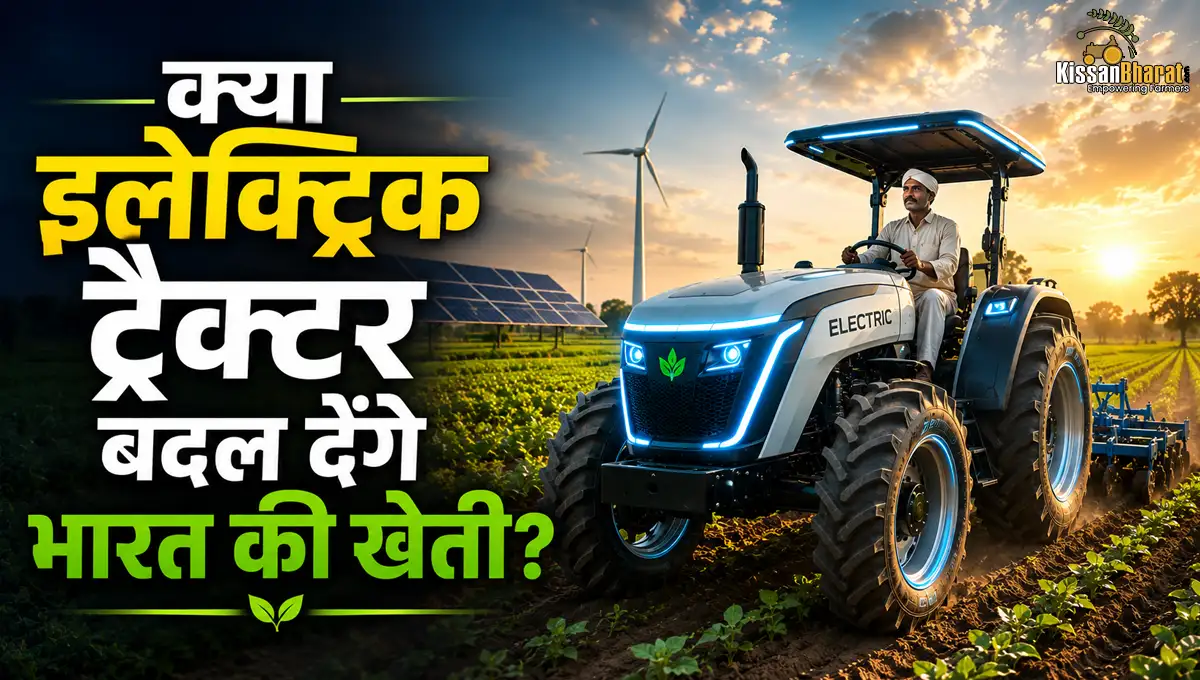
The farming industry is rapidly evolving, and one of the biggest innovations in recent years is the rise of electric tractors in India. With increasing fuel prices and growing awareness around sustainability, farmers are beginning to explore electric-powered farming solutions.
But are electric tractors truly the future of farm mechanization, or are they just another trend? While these machines promise lower fuel expenses and eco-friendly operations, many farmers still question their practicality and affordability. In this blog, we’ll explore the benefits, challenges, electric tractor’s price in India, running costs, and subsidies to understand whether electric tractors are worth the investment.
What Are Electric Tractors?
Electric tractors are farming vehicles powered by rechargeable batteries instead of diesel engines. Unlike traditional tractors, they produce lower emissions and require less maintenance.
These tractors are designed to handle regular farming activities like tilling, hauling, and spraying while reducing fuel dependency. Many experts believe that electric tractors in India could play a major role in sustainable agriculture and the future of farm mechanization.
As battery technology improves, electric tractors are becoming more practical for modern farming operations.
Why Are Farmers Talking About Electric Tractors?
The biggest reason behind the growing interest in electric tractors in India is cost savings. Rising diesel prices have increased farming expenses, making electric alternatives attractive.
Electric tractors also offer quieter operations and lower maintenance compared to diesel tractors. According to the Food and Agriculture Organization, sustainable mechanization is important for the future of agriculture.
Another major factor is environmental impact. Electric tractors produce fewer emissions and support cleaner farming practices.
These benefits are making electric tractors an important discussion point in modern agriculture.
Electric Tractor Price in India
One of the biggest concerns for farmers is the electric tractor price in India.
Currently, electric tractors are generally more expensive than traditional diesel tractors due to battery technology and limited production scale. Entry-level electric tractor models may start around ₹5–7 lakh, while advanced models can cost significantly more depending on features and battery capacity.
However, experts believe prices will gradually become more affordable as adoption increases. Farmers should also consider long-term savings on fuel and maintenance when evaluating costs.
Although the initial investment is high, lower operational expenses can improve ROI over time.
Electric Tractor Running Cost vs Diesel Tractor
|
Factor |
Electric Tractor |
Diesel Tractor |
|
Fuel/Energy Cost |
Low |
High |
|
Maintenance |
Low |
Higher |
|
Noise Level |
Quiet |
Loud |
|
Emissions |
Minimal |
High |
|
Initial Price |
Higher |
Moderate |
|
Long-Term Savings |
High |
Medium |
Electric Tractor Running Cost: Is It Really Cheaper?
The electric tractor's running cost is one of its biggest advantages.
Electric tractors use battery power instead of diesel, which significantly reduces daily operating expenses. They also have fewer moving parts, resulting in lower maintenance costs.
Unlike diesel tractors, electric tractors do not require regular engine oil changes or complex servicing. This helps farmers save money in the long run.
However, charging infrastructure and battery replacement costs are still challenges. Farmers must evaluate whether the long-term savings outweigh the initial investment.
For many experts, lower running costs make electric tractors a promising part of the Future of farm mechanization.
Electric Tractor Subsidy India: What Farmers Should Know
Government support can play a major role in increasing adoption of electric tractors.
Different agricultural and sustainability programs are beginning to encourage eco-friendly farming technologies. Although policies continue to evolve, discussions around Electric tractor subsidies in India are increasing as governments promote cleaner agricultural practices.
Organizations like the National Bank for Agriculture and Rural Development often support technology adoption in farming through financing and modernization initiatives.
Subsidies and financing options could make electric tractors more affordable for farmers in the future.
Challenges of Electric Tractors
Despite their advantages, electric tractors still face several challenges.
Battery charging infrastructure is limited in many farming regions, which can affect daily operations. Charging time and battery backup are also concerns for large farms requiring continuous use.
Another challenge is the higher upfront cost compared to traditional tractors. Farmers may hesitate to invest unless they see clear long-term benefits.
These limitations are why some people still question whether electric tractors are truly practical today.
Future of Farm Mechanization: Are Electric Tractors the Next Big Thing?
Many experts believe electric tractors represent the next step in the Future of farm mechanization.
As technology improves and battery costs decrease, electric tractors are expected to become more accessible. Increased focus on sustainability and fuel efficiency is also driving innovation in the agricultural sector.
While electric tractors may not completely replace diesel tractors immediately, they are likely to become an important part of modern farming.
The future may involve a combination of traditional and electric-powered machines working together for better efficiency and sustainability.
Conclusion
The rise of Electric Tractors in India shows how rapidly farming technology is evolving. While concerns about price and infrastructure still exist, lower Electric tractor running cost and sustainability benefits make them a promising innovation.
As support for Electric tractor subsidy India grows and technology improves, electric tractors could become a major part of the Future of farm mechanization. Farmers should evaluate both short-term costs and long-term benefits before making the shift.