
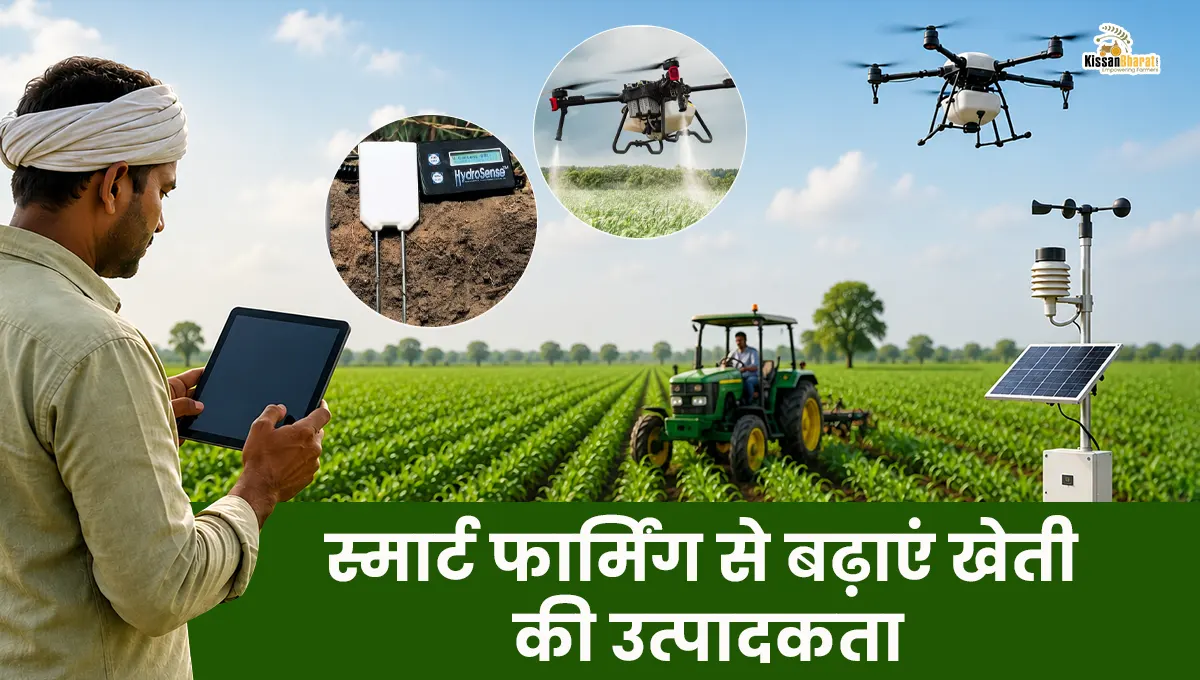
Farming is no longer limited to traditional tools and manual labor. Today, modern agriculture is being transformed by smart farming equipment that improves efficiency, productivity, and decision-making. From automated irrigation to AI-powered machinery, technology is helping farmers reduce costs and manage crops more effectively.
The rise of advanced agriculture technology is making farming smarter, faster, and more sustainable. Farmers who adopt modern tools are able to save water, reduce labor dependency, and increase yield. In this blog, we’ll explore the most useful smart farming solutions and how they are shaping the future of agriculture.
Why Smart Farming Equipment Matters
Modern farming faces challenges like rising labor costs, water shortages, and unpredictable weather conditions. This is where smart farming equipment becomes important.
Advanced machines and digital tools help farmers make better decisions using real-time data and automation. By using a smart agriculture solution, farmers can improve productivity while reducing resource wastage. These technologies are becoming essential for profitable and future-ready farming operations.
Top Smart Farming Equipment Every Farmer Should Use
1. Smart Irrigation Systems
Smart irrigation systems use sensors and automation to provide crops with the right amount of water at the right time.
Benefits:
- Reduces water wastage
- Improves crop growth
- Saves labor and energy
This is one of the most effective smart agriculture solution tools for water management.
2. GPS-Enabled Tractors
Modern tractors now come with GPS and precision farming features that improve field accuracy.
Benefits:
- Better field navigation
- Reduced overlap during operations
- Improved fuel efficiency
These tractors are a major part of advanced agriculture technology.
3. Drone Sprayers
Agricultural drones are increasingly used for spraying fertilizers and pesticides with precision.
Benefits:
- Faster field coverage
- Precision spraying
- Reduced chemical wastage
Drone technology is quickly becoming a popular smart farming equipment choice.
4. Automatic Seed Drills
Automatic seed drills ensure accurate seed placement and reduce manual effort.
Benefits:
- Better germination
- Reduced seed wastage
- Faster sowing operations
5. Soil Monitoring Sensors
These devices monitor soil moisture, nutrients, and temperature in real time.
Benefits:
- Better crop planning
- Improved soil management
- Data-driven farming decisions
6. AI-Based Farm Management Systems
Artificial intelligence tools help farmers analyze crop health, weather patterns, and farm performance.
Benefits:
- Predictive farming insights
- Better resource management
- Increased productivity
These systems represent the future of advanced agriculture technology.
Smart Farming Equipment Comparison Table
|
Equipment |
Main Function |
Key Benefit |
Technology Level |
|
Smart Irrigation Systems |
Automated watering |
Water conservation |
High |
|
GPS Tractors |
Precision farming |
Better accuracy |
High |
|
Drone Sprayers |
Crop spraying |
Faster operations |
Advanced |
|
Automatic Seed Drills |
Sowing |
Reduced seed wastage |
Medium |
|
Soil Sensors |
Soil monitoring |
Data-based decisions |
Advanced |
|
AI Farm Systems |
Farm management |
Predictive analysis |
Advanced |
Benefits of Smart Agriculture Solutions
Using a smart agriculture solution helps farmers improve productivity while reducing operational costs.
One major advantage is precision. Smart tools ensure accurate use of water, fertilizers, and pesticides, reducing wastage significantly. Another important benefit is automation, which saves labor and increases efficiency.
Modern smart farming equipment also supports sustainability by conserving natural resources. Farmers can monitor crops more effectively and make data-driven decisions for better results.
Institutions like the Indian Council of Agricultural Research encourage the adoption of technology-driven farming methods to improve agricultural efficiency and sustainability.
These advancements are changing the future of farming.
Challenges Farmers Should Consider
Although smart farming equipment offers many advantages, there are some challenges to consider.
The initial investment for advanced tools can be high, especially for small farmers. Some equipment also requires technical knowledge and regular maintenance.
Internet connectivity and digital awareness may also affect adoption in certain farming areas. However, as technology becomes more affordable, smart farming solutions are expected to become increasingly accessible.
Conclusion
The rise of smart farming equipment is transforming agriculture into a more efficient and sustainable industry. From smart irrigation systems to AI-powered tools, modern technology is helping farmers improve productivity and reduce resource wastage.
By adopting the right smart agriculture solution, farmers can prepare for the future of farming and achieve better long-term profitability. Investing in advanced agriculture technology is becoming essential for progressive and successful farming.