
Rainfed agriculture farming is a significant factor in supporting millions of farmers who rely on rain rather than irrigation systems. Unpredictable weather and rain availability make crop selection a critical factor in rainfed farming systems. Selecting the right crops can help farmers achieve consistent yields.
In modern-day farming and agriculture, selecting crops that are drought-resistant and require low water is considered a smart move. Whether you are a seasoned farmer or one of the new farmers entering the industry, knowing what crops can thrive in rainfed systems can increase productivity. Here are some of the best crop selections that can effectively work in rainfed systems of farming.
What is Rainfed Farming?
Rainfed farming is a type of farming where the sole source of water supply is rainwater, not through any artificial system of irrigation. Rainfed farming is common in areas where water resources are scarce.
In this situation, farmers are required to concentrate on those crops that are capable of growing with less water supply while still yielding a good harvest. Rainfed farming is a vital component of sustainable agriculture, according to the Food and Agriculture Organization, which contributes a lot to food production worldwide.
Key Factors for Choosing Crops in Rainfed Farming
Selecting the right crops for rainfed conditions depends on several important factors:
- Rainfall Pattern: Choose crops that match local rainfall cycles
- Soil Type: Some crops perform better in dry or less fertile soil
- Crop Duration: Short-duration crops reduce risk during uncertain rainfall
- Drought Resistance: Essential for survival in low-water conditions
Experts from the Indian Council of Agricultural Research recommend selecting crops that are naturally adaptable to dry conditions.
By considering these factors, farmers can make better decisions about all farming practices and improve overall productivity.
Best Crops for Rainfed Farming
Here are some of the most suitable crops for rainfed agriculture farming:
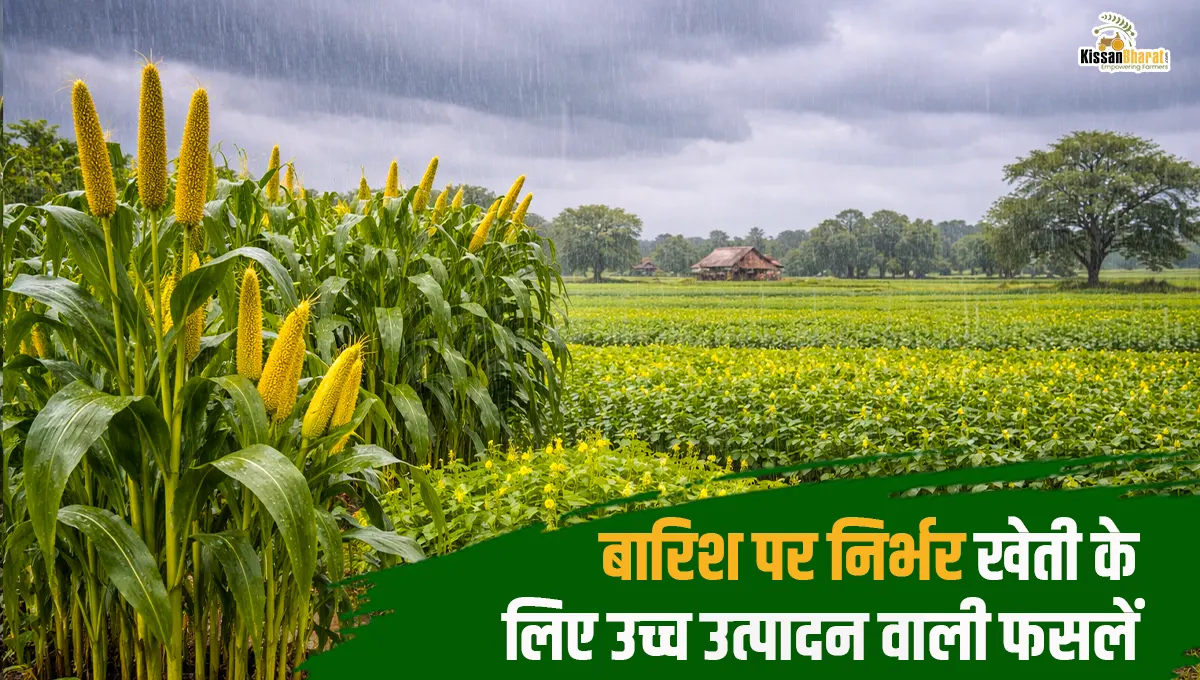
1. Millets (Bajra, Jowar)
Millets are highly drought-resistant and require very little water. They are among the best options for rainfed farming and are gaining popularity in the latest agricultural trends.
2. Pulses (Moong, Arhar)
Pulses are ideal for low-water conditions and improve soil fertility. Crops like moong and arhar are widely used in farming & agriculture systems.
3. Oilseeds (Mustard, Groundnut)
Oilseed crops can grow with limited rainfall and offer good market value. They are a profitable option for farmers and farming communities.
4. Maize
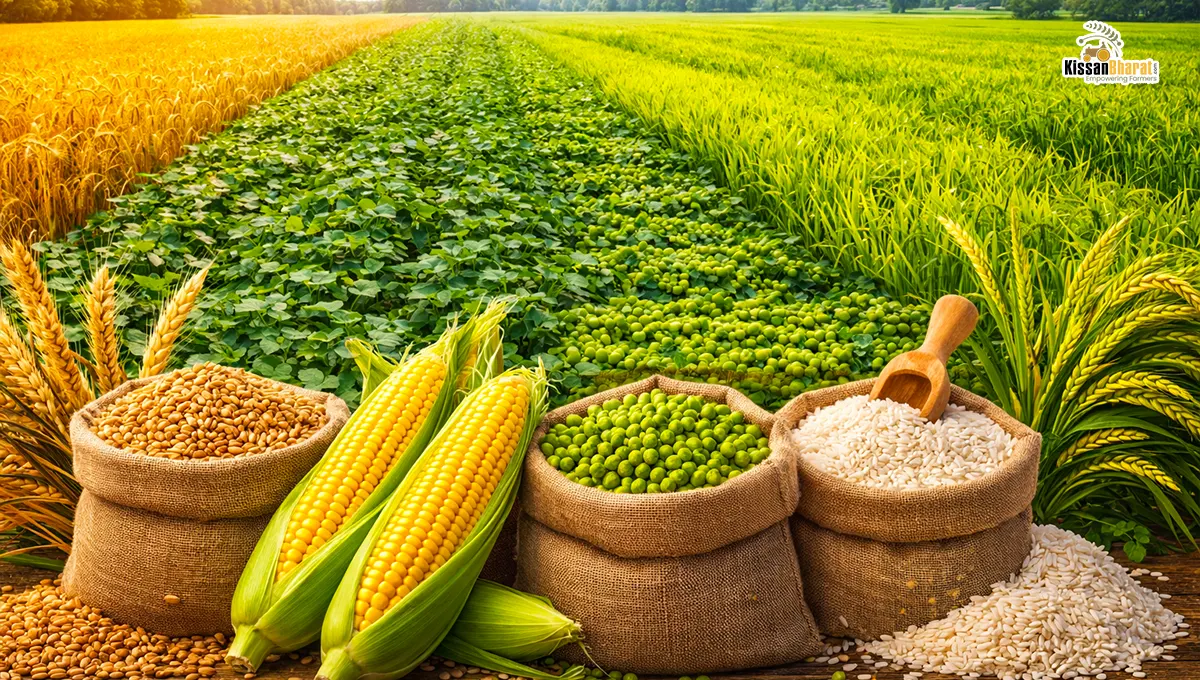
Maize is a versatile crop that can grow in moderate rainfall conditions. It is widely cultivated due to its adaptability and demand.
5. Cotton
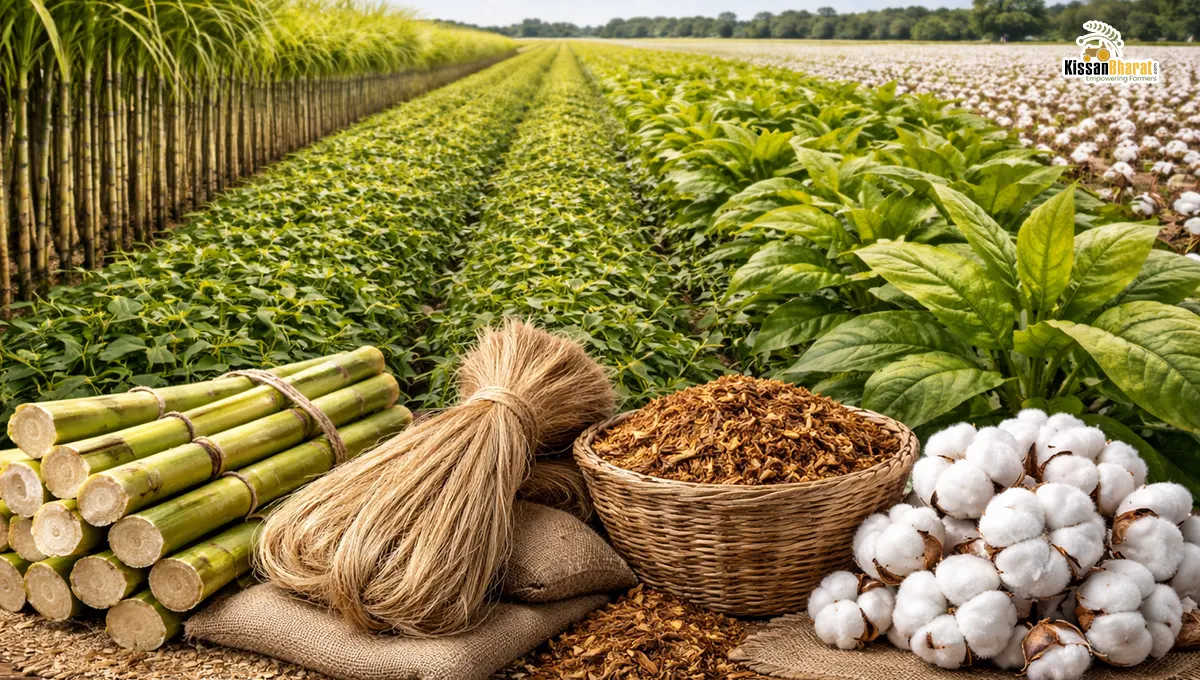
Cotton is suitable for regions with seasonal rainfall. It can tolerate dry spells and still produce good yields.
6. Gram (Chana)
Gram is a popular rainfed crop that requires minimal water and provides good returns. It is often included in crop rotation practices.
These crops are commonly recommended in the latest farming practices for improving resilience and profitability in rainfed systems.
How to Improve Yield in Rainfed Farming
Even in rainfed conditions, farmers can maximize productivity through smart practices.
Soil moisture conservation practices such as mulching enable water conservation for a longer period. Proper land preparation and sowing also play a vital role in crop development.
Crop diversification is another smart practice adopted by farmers to maximize income stability.
Farmers can also keep themselves updated with the latest information from reliable sources such as the Ministry of Agriculture and Farmers Welfare to implement improved practices in agriculture farming.
By following these smart practices, farmers can maximize crop production even during rainfed conditions.
Common Mistakes to Avoid
One common mistake in farmers farming is choosing water-intensive crops in rainfed conditions. This often leads to poor yield and financial loss.
Another mistake is delaying sowing, which affects crop growth due to changing rainfall patterns. Ignoring soil health and not following crop rotation can also reduce productivity.
Farmers should avoid depending on a single crop and instead focus on diversification. Following proper strategies in all agriculture systems ensures better results.
Choosing the right crops is just one part of successful farming. Read our complete guide here: https://kissanbharat.com/news/top-crops-that-deliver-income-within-6090-days
Conclusion
Rainfed agriculture farming can be highly productive when the right crops are selected. Options like millets, pulses, oilseeds, and gram offer better resilience and stable income under low-water conditions.
By focusing on drought-resistant crops and adopting smart farming practices, farmers can reduce risks and improve yields. Stay updated with the latest in agriculture and make informed decisions to succeed in rainfed farming systems.