

गेहूँ की बुवाई में एक हफ्ते की देरी और yield में 30–35 kg/hectare प्रतिदिन की गिरावट। PAU (Punjab Agricultural University) की research यह साफ बताती है। Rabi 2026-27 में गेहूँ की bumper yield के लिए सबसे ज़रूरी तीन चीज़ें हैं: सही समय, सही variety और सही बीज दर।
ICAR-IIWBR (Indian Institute of Wheat and Barley Research), Karnal के scientists ने इस सीज़न के लिए HD-3386, DBW-303, DBW-327, PBW-872 समेत कई varieties recommend की हैं। 2026 में गेहूँ का MSP ₹2,425/quintal है, और सही variety से 60+ quintal/hectare yield possible है। इस guide में जानें कब बोएं, कितना बीज डालें, कौन सी variety चुनें, और बुवाई का सही method क्या है।
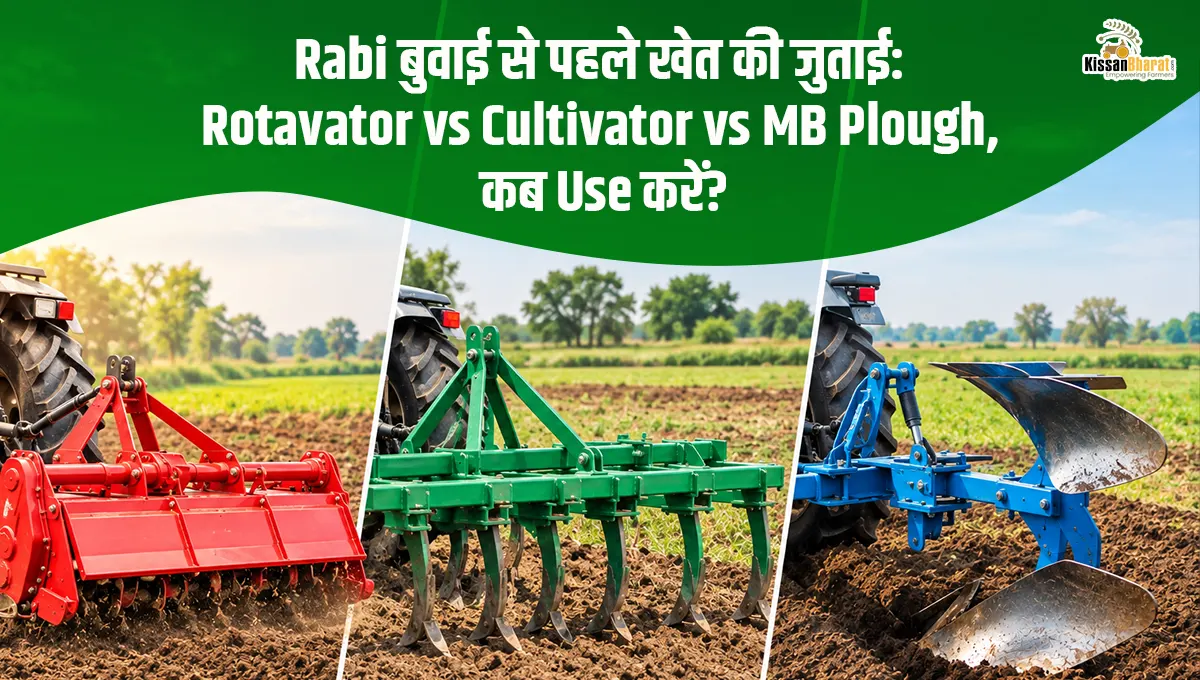
Rabi Season 2026-27: गेहूँ की बुवाई से पहले खेत कैसे तैयार करें
बुवाई में देरी का असर: Numbers से समझें
गेहूँ एक temperature-sensitive crop है। Germination और grain filling दोनों के लिए specific temperature range चाहिए। November 10 के बाद हर दिन की देरी:
|
|
|
|
|
|
|
|
|
|
|
|
|
|
|
यही वजह है कि ICAR scientists timely planting को avoid करने की बात करते हैं — yield losses adverse heat stress effects की वजह से होती हैं।
State-wise सही बुवाई Window
|
|
|
|
|
|
|
|
|
|
|
|
|
|
|
|
|
|
|
|
|
|
|
|
💡 October 25 से November 10 — यह NWPZ का golden window है। इस period में बोई गई गेहूँ सबसे ज़्यादा yield देती है। Paddy कटाई खत्म होते ही खेत तैयार करना शुरू करें — एक-एक दिन कीमती है।
2026 की Top Recommended Varieties: Complete Guide
HD-3386 (Pusa Vriksh): All-Rounder Champion
ICAR-IARI, Pusa द्वारा develop की गई HD-3386 इस season की सबसे recommended variety है।
Key specs:
- Average Yield: 62.62 q/ha (NWPZ और CZ में)
- Potential Yield: 79.6 q/ha तक
- Maturity: Early sowing में 150 days, Timely sowing में 141 days
- Plant Height: 98 cm — lodging tolerant
- Zones: NWPZ, CZ और NEPZ — सभी zones के लिए suitable
Disease resistance: Stripe rust, Leaf rust, Black rust, Karnal bunt, Powdery mildew, Flag smut और Foot rot — सब के लिए resistant।
Special quality: High protein content (13% तक), high wet gluten और dry gluten — chapati और bread दोनों के लिए excellent। Early sowing में zero tillage conditions के लिए भी suitable।
Best for: Punjab, Haryana, Western UP — timely और early sowing दोनों में।
DBW-303 (Karan Vaishnavi): Biofortified Powerhouse
ICAR-IIWBR, Karnal द्वारा develop किया गया DBW-303 एक biofortified wheat variety है।
Key specs:
- Maturity: 156 days — medium-long duration
- Disease resistance: Extremely high resistance to Black rust और Yellow rust
- Biofortification: High Iron (Fe) और Zinc (Zn) content — nutritional security
- Zones: NWPZ और NEPZ — irrigated timely sown conditions
Special quality: Biofortified wheat — Iron और Zinc की higher content से nutrition बेहतर। Rust-prone areas के लिए game-changer variety।
Best for: Rust-endemic areas जैसे Terai region, Bihar, Eastern UP।
DBW-327: Farmers की नई Favourite
DBW-327 इस season में progressive farmers की सबसे popular choice बन रही है। Haryana के Nagla Megha village के farmer Sukhwinder Singh Chawla ने पिछले season DBW-327 से excellent yield ली और इस बार भी यही variety repeat करने का plan है।
Key specs:
- High yield potential — timely sown irrigated conditions
- Disease resistant — rust tolerant
- Zones: NWPZ primary, CZ में भी अच्छी
- Super Seeder और zero-till sowing के साथ excellent compatibility
Best for: Punjab, Haryana — जो farmers Super Seeder या Happy Seeder से sow करते हैं।
पराली जलाना बंद करें: Happy Seeder और Super Seeder पर Subsidy 2026
DBW-371 और DBW-372: New Releases 2025-26
ICAR-IIWBR, Karnal ने recently DBW-371 और DBW-372 release की हैं — ICAR-IISWC, Dehradun ने इन्हें Uttarakhand के farmers को distribute किया है।
Key specs:
- High genetic potential और superior yield performance
- Nutritional quality — better protein content
- Disease resistance — improved lodging tolerance
- Irrigated और rainfed दोनों conditions में suitable
- Northern India के लिए recommended
Best for: Uttarakhand, UP hills और rainfed areas — new technology adoption करने वाले farmers।
PBW-872: Punjab का Trusted Choice
PBW-872 Punjab Agricultural University (PAU) की develop की गई variety है — Punjab और Haryana में traditionally trusted।
Key specs:
- High yield — timely sown irrigated conditions में top performer
- PAU recommended — local conditions के लिए optimized
- Proven performance — multiple seasons में consistent
Best for: Punjab — जो farmers PAU-backed varieties prefer करते हैं।
DBW-771: Late Sowing का Best Option
अगर किसी वजह से बुवाई November 25 के बाद हो रही है — DBW-771 specifically late sowing के लिए recommend किया गया है।
Key specs:
- Short duration — heat stress से पहले mature होती है
- Late sowing window के लिए design की गई
- Yield normal varieties से late sowing में ज़्यादा
Best for: November 25 के बाद बुवाई करने वाले किसान। Late-sown conditions में किसी भी other variety से बेहतर।
DBW-222 और DBW-187 (Karan Vandana): Proven Veterans
DBW-222 और DBW-187 पिछले कई सालों से proven हैं और ICAR-IISWC के अनुसार 80% seed replacement rate achieve कर चुकी हैं।
DBW-187 (Karan Vandana):
- Average yield: 48.8 q/ha, Potential: 64.7 q/ha
- Maturity: 120 days — short duration
- High Iron content (43.1 ppm) — biofortified
- Yellow rust और Leaf rust resistant
- Chapati और bread — excellent quality
Best for: NEPZ (Bihar, Eastern UP) — जहाँ short duration variety चाहिए।
Variety चुनने का Decision Guide
|
|
|
|
|
|
|
|
|
|
|
|
|
|
|
|
|
|
|
|
|
|
|
|
|
|
|
बीज दर: कितना बीज डालें?
बीज दर seed size, germination percentage, sowing method और timing पर depend करती है:
|
|
|
|
|
|
|
|
|
|
|
|
|
|
|
|
|
|
|
|
💡 Timely sowing में कम बीज डालें — अधिक tillering होती है, एक plant ज़्यादा grains produce करता है। Late sowing में temperature कम होती है, tillering कम होती है — इसलिए ज़्यादा seed rate से compensate करते हैं।
Seed Treatment: बुवाई से पहले ज़रूरी है
बिना seed treatment के बुवाई — soil-borne diseases और seed-borne fungi का खतरा बढ़ता है।
Standard seed treatment:
|
|
|
|
|
|
|
|
|
|
|
|
|
|
|
|
|
|
|
|
|
|
|
|
Seed treatment sequence:
- पहले fungicide (Thiram/Carbendazim) — 24 घंटे पहले
- फिर insecticide (Imidacloprid) — बुवाई से 2 घंटे पहले
- आखिर में biofertilizers (Azotobacter + PSB) — बुवाई से ठीक पहले
⚠️ Fungicide और biofertilizer एक साथ mix मत करें — fungicide biofertilizer को kill कर देता है।
Sowing Method: Seed Drill से क्यों?
Seed Drill से uniform depth (5–6 cm) और equal spacing पर बुवाई होती है — manual broadcasting से yield 15–20% ज़्यादा।
Row spacing:
- Timely sowing: 20–22.5 cm row-to-row
- Late sowing: 18–20 cm — closer spacing से yield recover होती है
- Zero-till/Happy Seeder: Seed Drill attachment के अनुसार
Sowing depth:
- Ideal: 5–6 cm
- 8 cm से ज़्यादा नहीं — deep sowing में emergence delayed होती है
- 3 cm से कम नहीं — moisture insufficient रहती है
Seed Drill vs Manual Sowing — yield और cost comparison
Irrigation Schedule: गेहूँ में कितने पानी
गेहूँ में 6 critical irrigation stages हैं। अगर पानी limited हो तो priority sequence:
|
|
|
|
|
|
|
|
|
|
|
|
|
|
|
|
|
|
|
|
|
|
|
|
|
|
|
|
|
|
|
|
|
|
|
अगर सिर्फ 2 irrigation possible हो — CRI (20–25 DAS) और Flowering (80–85 DAS) दें। यह दो मिलकर 70–75% potential yield बचाते हैं।
Drip Irrigation Subsidy 2026 — Rabi में water-efficient irrigation
निष्कर्ष
गेहूँ Rabi 2026-27 का सबसे important crop है, और सही variety, सही समय पर बुवाई, और seed treatment, यह तीन चीज़ें yield double कर सकती हैं। HD-3386 all-round performer है, DBW-303 rust-prone और biofortified preference के लिए, DBW-327 Punjab का नया favourite है, और DBW-771 late sowing का best option।
November 10 से पहले बुवाई का target रखें, हर दिन की देरी 30–35 kg/hectare का नुकसान करती है। Soil Health Card से मिट्टी check करें, पराली management के लिए Happy Seeder subsidy लें और बुवाई के लिए Seed Drill use करें, यह तीन decisions Rabi season को profitable बनाएंगे