Water is one of the most valuable resources in agriculture and farming, and using the right irrigation methods can make a huge difference in crop productivity. With changing climate conditions, farmers must focus on water conservation methods and efficient practices.
Today, smart irrigation systems and automated irrigation systems are helping farmers save water while improving yield. However, not every method suits every crop. Choosing the right irrigation technique based on crop type is essential. In this blog, we’ll explore the best irrigation methods for different crops and highlight the importance of water conservation in modern farming.
Why Choosing the Right Irrigation Method Matters
Selecting the right irrigation methods ensures that crops receive the right amount of water at the right time. This improves plant growth, reduces wastage, and supports better yield.
The importance of water conservation is increasing as water resources become limited. Using efficient water saving technologies helps farmers reduce costs and protect the environment.
As efficient irrigation plays a key role in sustainable agriculture, by adopting the right method, farmers can improve productivity while conserving water for future use.
Best Irrigation Methods for Different Crops
Different crops require different watering techniques. Here are the best irrigation methods based on crop types:
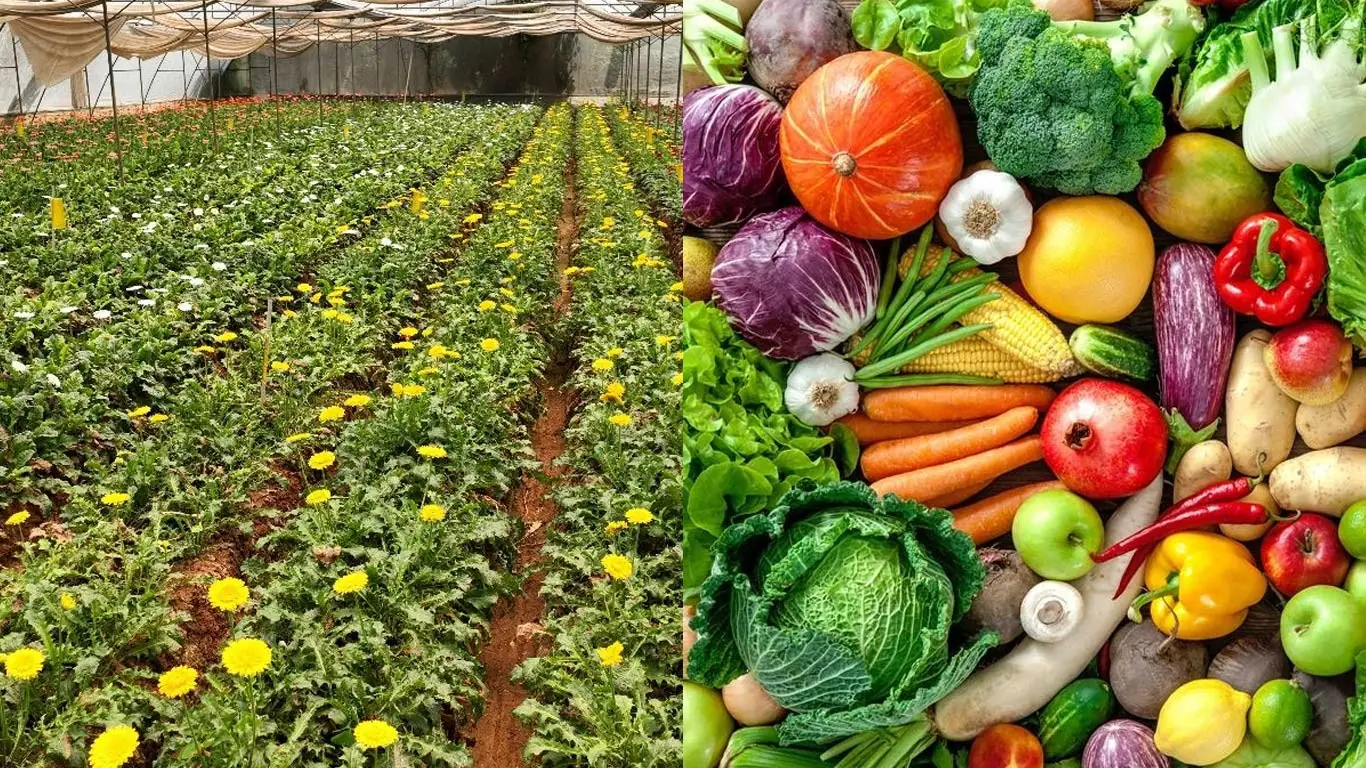
1. Vegetables (Tomato, Capsicum, Onion)
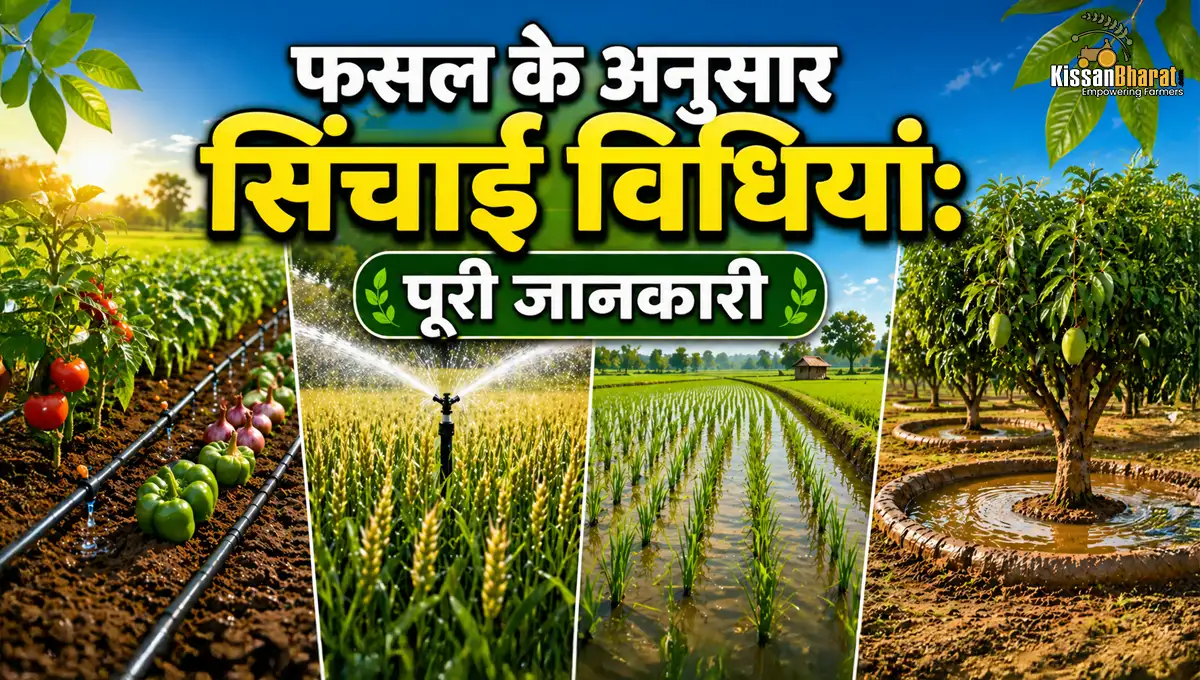
A drip irrigation system is the best choice for vegetables. It delivers water directly to the roots, reducing wastage and improving yield. It is one of the most effective smart irrigation systems.
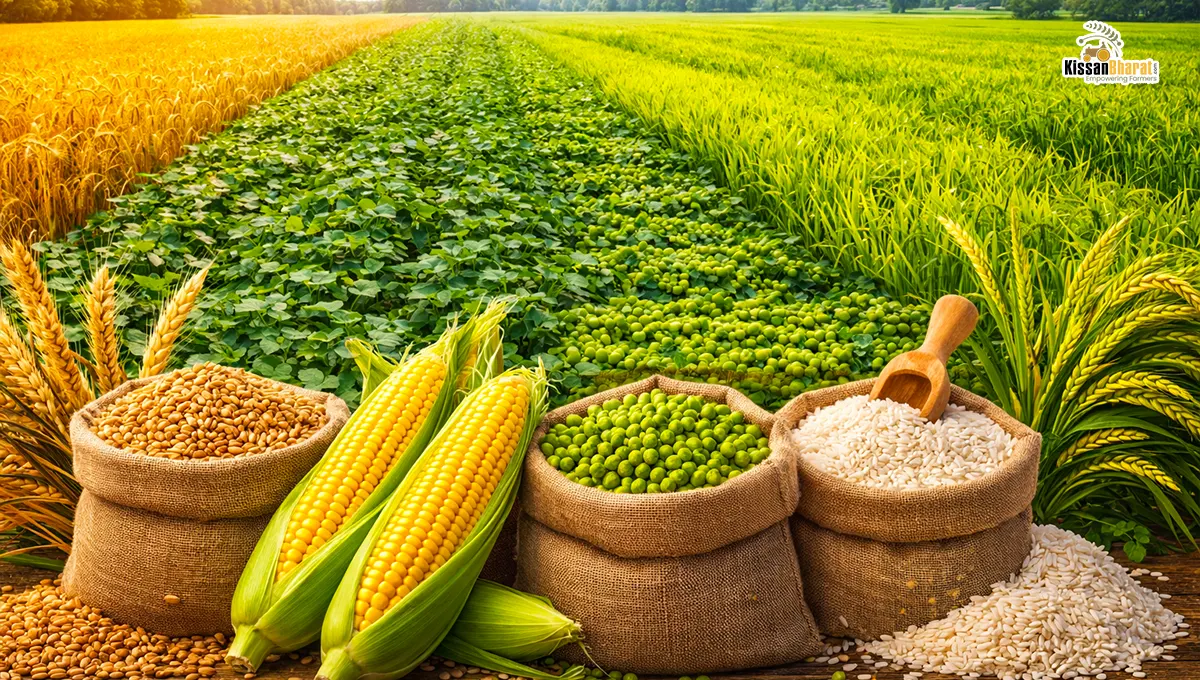
2. Cereals (Wheat, Rice)
For crops like rice, flood irrigation works well as it requires standing water. Wheat, however, benefits from a sprinkler irrigation system for uniform watering.
3. Fruits (Mango, Banana, Citrus)
Fruit crops perform best with drip irrigation or automated irrigation systems. These methods ensure consistent moisture and better fruit quality.
4. Pulses (Gram, Lentils)
Pulses require less water, so a sprinkler irrigation system is ideal. It provides controlled watering and supports efficient water conservation methods.
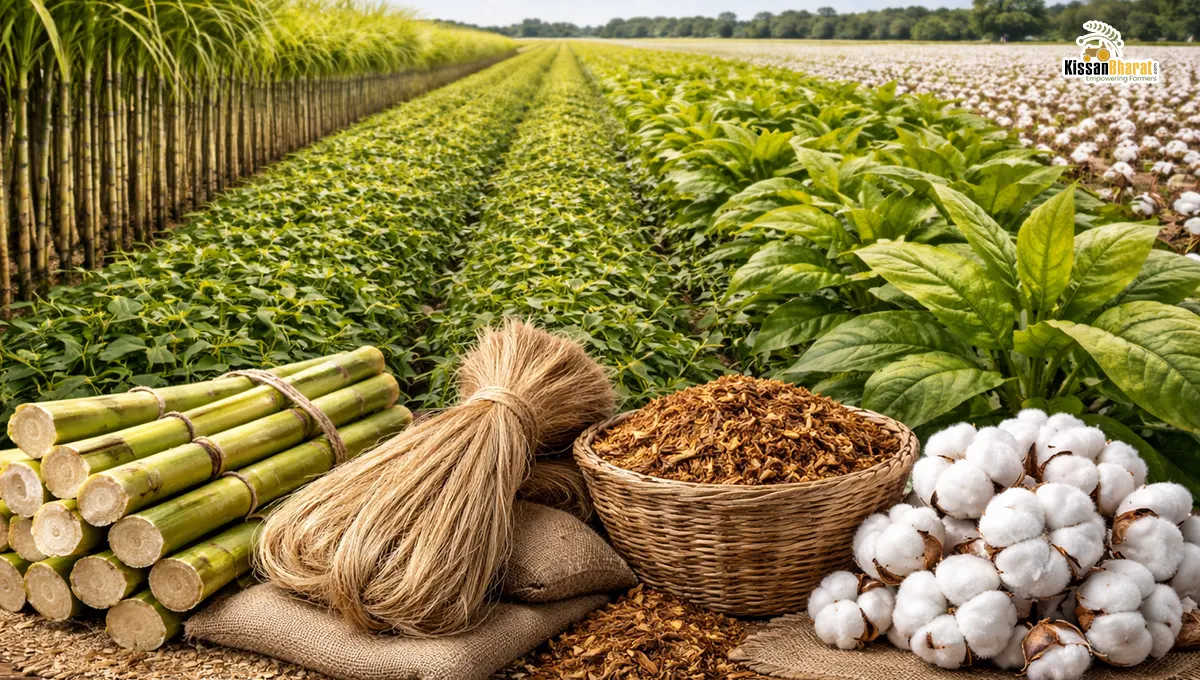
5. Cash Crops (Sugarcane, Cotton)
Cash crops benefit from a combination of drip and sprinkler systems. These water saving technologies help improve yield and reduce resource use.
Smart Irrigation Systems and Technologies
Modern farming is increasingly adopting smart irrigation systems and automated irrigation systems to improve efficiency.
These systems use sensors and data to monitor soil moisture and deliver water only when needed. This prevents over-irrigation and reduces water wastage.
Technologies like drip irrigation and sprinklers are part of advanced water saving technologies that support sustainable farming.
Farmers can also use timers and mobile-based controls to manage irrigation remotely. This reduces labor and improves precision.
Adopting these systems helps farmers increase yield while focusing on the importance of water conservation.
Benefits of Efficient Irrigation Methods
Using the right irrigation methods offers several benefits.
It improves crop yield by ensuring proper water distribution. Efficient systems also reduce water wastage, supporting water conservation methods.
Farmers can save on labor and input costs by using automated irrigation systems. These methods also help maintain soil health by preventing overwatering.
Another key benefit is sustainability. With increasing pressure on water resources, adopting water saving technologies ensures long-term farming success.
Efficient irrigation is not just about productivity, it is about building a sustainable future in agriculture farming.
Choosing the right irrigation method becomes easier when you understand all options. Read our complete guide here: https://kissanbharat.com/news/drip-irrigation-vs-flood-irrigation-vs-sprinkler-irrigation-which-is-best
Conclusion
Selecting the best irrigation methods for different crops is essential for improving productivity and conserving water. With the rise of smart irrigation systems, automated irrigation systems, and other water-saving technologies, farmers can achieve better results with fewer resources.
Understanding crop needs and focusing on the importance of water conservation will help ensure sustainable and profitable farming. Make smart irrigation choices to grow more while saving water.