
Actual farming starts with good soil preparation, and that’s where the right soil preparation machines make all the difference. Different fields have different types of soil, and using the wrong equipment can reduce productivity and increase costs.
Modern agricultural machines help farmers prepare land faster, improve soil structure, and boost crop yield. From hard clay soils to loose sandy fields, each soil type requires a specific approach. In this blog, we’ll explore the best soil tillage machines for different soil conditions and help you choose the right equipment for profitable farming.
Why Soil Preparation Matters in Farming
Soil preparation is the foundation of successful agriculture farming. Proper tillage improves soil aeration, water absorption, and root development.
Using the right soil preparation machines ensures that nutrients are evenly distributed and weeds are controlled effectively. With the help of advanced agricultural machines, farmers can prepare land more efficiently and improve overall productivity. Choosing the correct soil tillage machines based on soil type is key to achieving better results.
Types of Soil and Their Challenges
Understanding different types of soil is important before selecting equipment:
1. Clay Soil
Heavy and compact, clay soil retains water but is difficult to work with.
2. Sandy Soil
Light and loose, sandy soil drains quickly but lacks nutrient retention.
3. Loamy Soil
Balanced and fertile, loamy soil is ideal for most crops and easy to manage.
4. Silty Soil
Soft and smooth, silty soil holds moisture well but can become compact over time.
Each soil type requires specific soil preparation machines to ensure effective tillage and better crop growth.
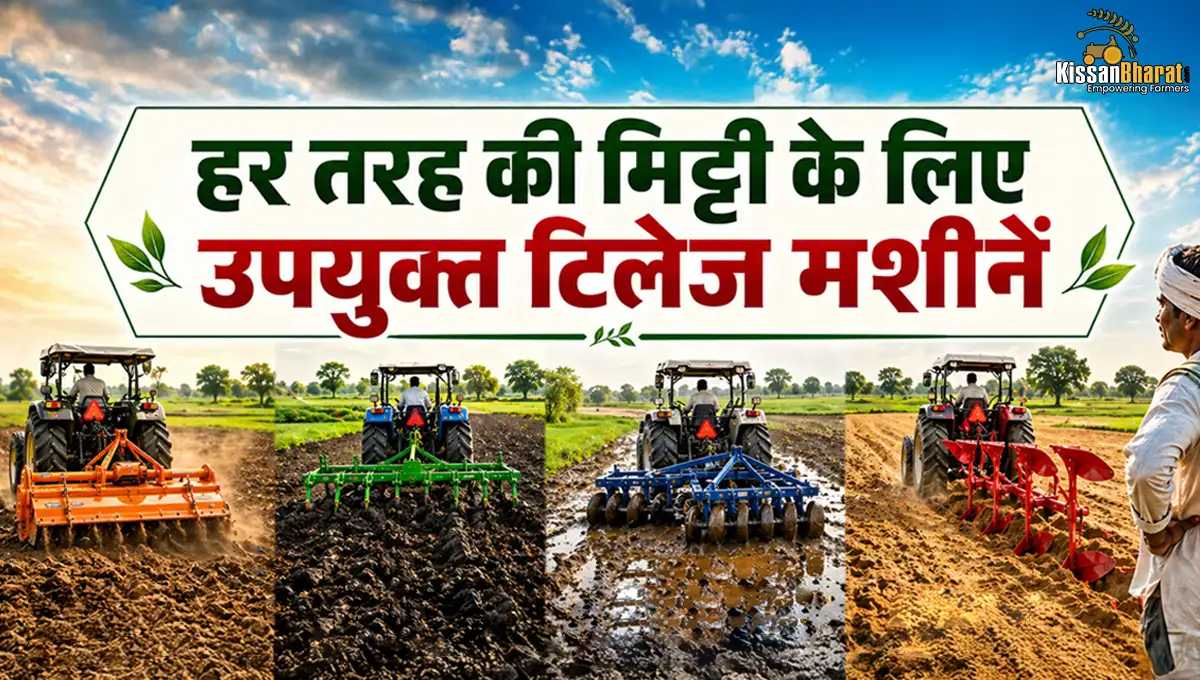
Best Soil Preparation Machines for Different Soil Types
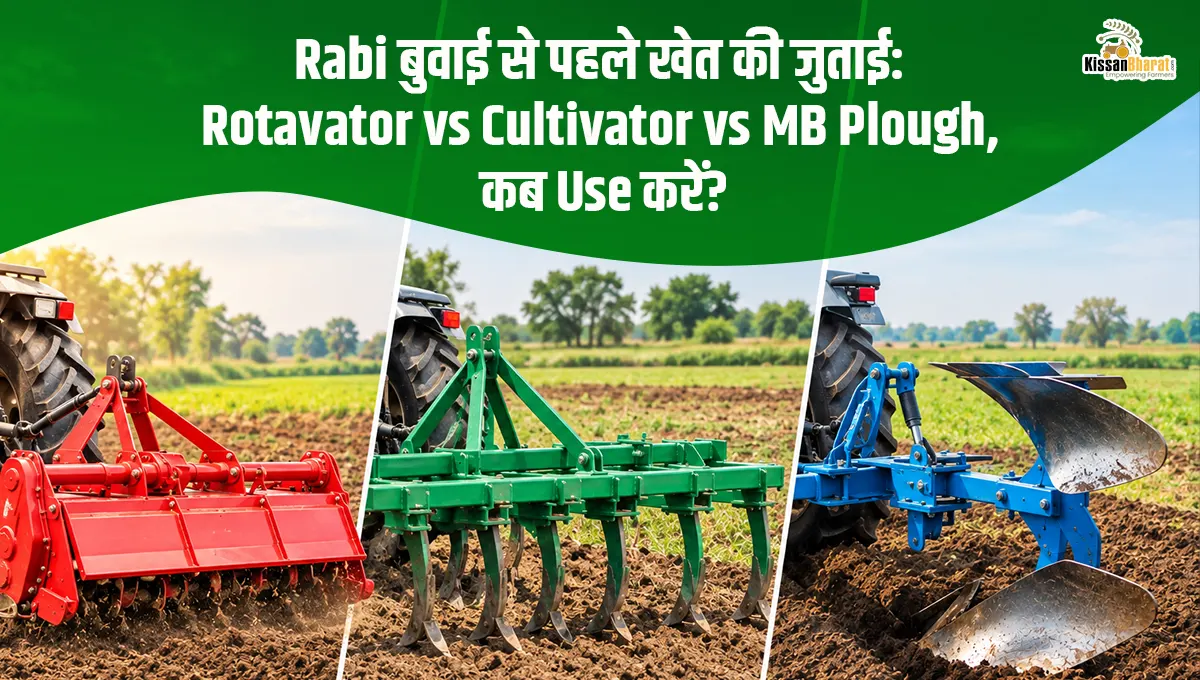
1. Rotavator (Best for Loamy & Mixed Soil)
A rotavator is one of the most versatile soil tillage machines. It breaks soil into fine particles and prepares a smooth seedbed.
Why use: Ideal for general-purpose land preparation
Avoid when: Soil is too wet or sticky
2. Disc Plough (Best for Clay Soil)
A disc plough is designed to cut through hard and compact soil. It is highly effective in heavy clay fields.
Why use: Breaks tough soil layers
Avoid when: Soil is already loose
3. Cultivator (Best for Sandy Soil)
A cultivator is used for loosening soil and removing weeds. It works well in light soils like sand.
Why use: Maintains soil structure without over-tilling
Avoid when: Soil is too hard
4. Harrow (Best for Silty Soil)
A harrow is used after ploughing to break clods and level the field. It is suitable for soft soils like silt.
Why use: Creates fine seedbed
Avoid when: Soil is too dry and dusty
These agricultural machines help farmers match the right equipment with the right soil condition for better productivity.
Quick Comparison
|
Machine |
Suitable Soil Type |
Main Function |
Efficiency Level |
|
Rotavator |
Loamy, Mixed |
Fine soil preparation |
High |
|
Disc Plough |
Clay |
Deep tillage |
High |
|
Cultivator |
Sandy |
Soil loosening |
Medium |
|
Harrow |
Silty |
Soil leveling |
Medium |
How to Choose the Right Soil Preparation Machine
Selecting the right agricultural machines depends on your soil type, crop needs, and farm size.
Farmers should first identify their types of soil and then choose suitable soil preparation machines accordingly. It is also important to consider tractor compatibility and budget.
Investing in the right soil tillage machines ensures long-term productivity and better ROI. Farmers should avoid overusing heavy equipment, as it can damage soil structure.
A well-informed choice helps improve efficiency and supports sustainable farming practices.
Soil preparation works best with the right farming equipment. Read our complete guide here: https://kissanbharat.com/news/top-tractor-attachments-every-farmer-must-have-for-better-productivity
Conclusion
Choosing the right soil preparation machines based on different types of soil is essential for improving farm productivity. With the help of modern agricultural machines and soil tillage machines, farmers can prepare land efficiently and achieve better crop growth.
Understanding soil conditions and selecting the right equipment ensures long-term success in farming. Make smart choices to improve soil health, save time, and increase your agricultural output.