

It is common knowledge among farmers that when it comes to land height, more land equals more profit. However, it is important to note that what actually matters is the type of crops one chooses. It is possible to earn much from farming on a small piece of land if the farmer picks the right crops.
Farming on a smaller piece of land can actually earn more profits than big farming when the process is well-planned. Many farmers have embraced the trend of high-profit farming today. Here, we will discuss the most profitable crops that farmers should plant in small pieces of land to earn more money.
Why Crop Selection Matters in Small Land Farming
In small-land farming, every decision directly impacts income. Since the land is limited, farmers must focus on crops that offer high yield and strong market demand.
Choosing the right high profitable crops helps maximize output per acre and ensures better returns. According to the Food and Agriculture Organization, crop diversification and high-value crops are key to improving farm income.
By focusing on high profitable farming, small farmers can reduce risks, improve productivity, and build a sustainable income model in modern agriculture.
Most Profitable Crops for Small Farms
Below are the most profitable crops for small farms that can perform well within limited land:
1. Mushroom Cultivation
It requires less land and produces profits effectively. This is one of the examples of profitable farming activities on small lands.
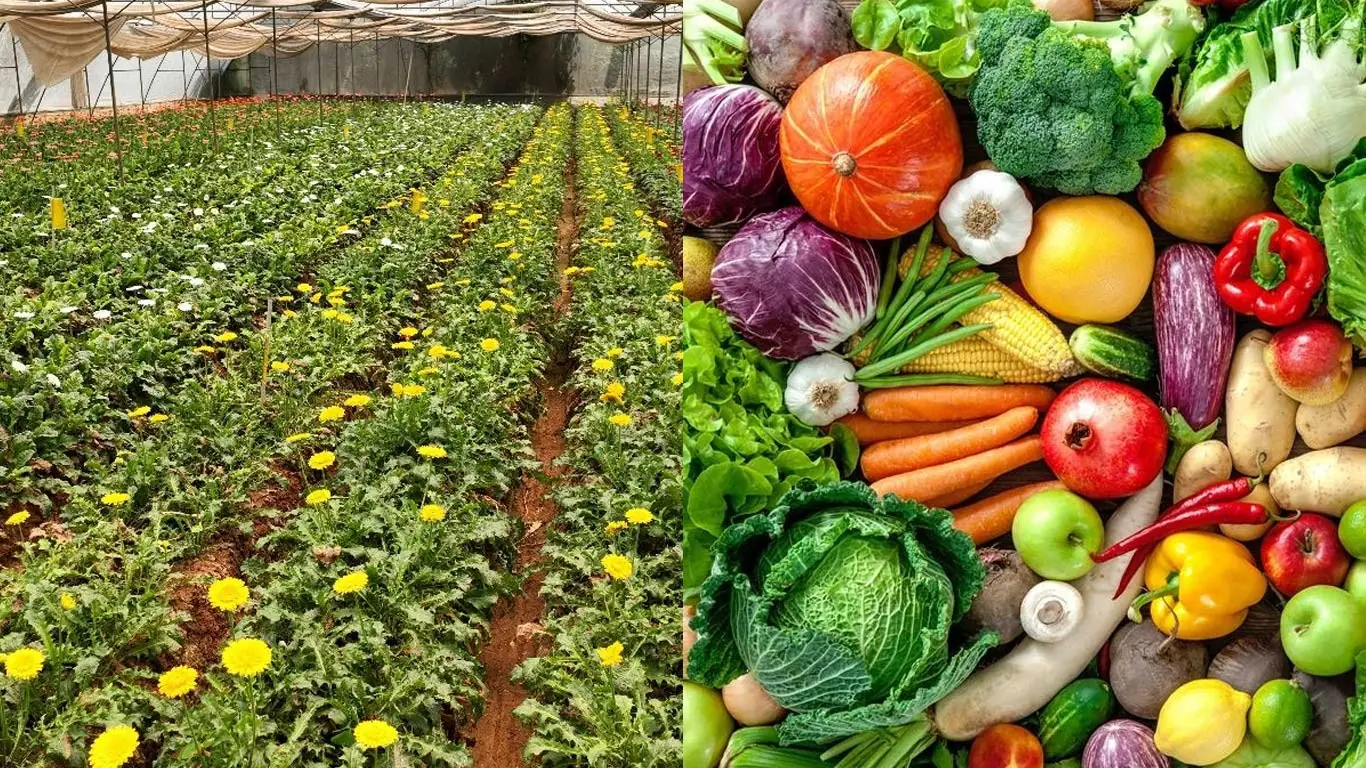
2. Leafy Vegetables (Spinach, Coriander)
Leafy vegetables produce quick growth and can provide farmers several harvesting periods. Therefore, leafy vegetables fit well to the definition of highly profitable farming crops.
3. Tomato
Tomato is the commonly used vegetable with multiple cycles of harvesting. Thus, tomato farming can bring regular money.
4. Capsicum (Bell pepper)
This crop has an extremely high cost on the market and can be successfully grown in special shelters. Therefore, capsicum is a good choice for the profitable farming business on small lands.
5. Herbs (Mint, Basil)
Growing herbs require smaller spaces than other crops, and they have a high demand in city markets. Therefore, growing herbs has become quite popular recently.
6. Garlic
Garlic is easy to cultivate, has good storage features, and enjoys good demand.
7. Strawberry
Strawberry production is known to be highly profitable. It can bring high earnings for the owners of small lands.
These crops are strongly recommended by the latest agricultural methods.
Smart Strategies for High Profitable Farming
For farmers to be successful in profitable agriculture, they have to go beyond crop selection.
One way is through intercropping, which involves planting different crops simultaneously to ensure efficient utilization of land space. It increases profitability and minimizes risks.
Through innovative irrigation systems such as drip irrigation, water usage becomes effective, and the yield is improved. Similarly, soil maintenance is necessary because soil testing and the use of organic fertilizers increase efficiency.
Small farmers can venture into value addition to earn more money. Such strategies transform the agricultural process into a viable business activity.
Through these practices, small farmers can fully exploit their lands and become successful in small-scale farming operations.
Common Mistakes to Avoid
Choosing crops that do not know market demands is another common problem among small-land farmers. This is despite the crops yielding much because of high prices, they become uneconomical.
Other mistakes include poor planning, such as planting all crops at once, thus affecting money circulation. Neglecting the condition of the soil and water supply may lower production.
In order for farmers to engage in highly profitable farming, they must consider proper planning and diversification.
Conclusion
Small scale farming is extremely profitable if the farmer chooses to farm on a particular product and adopts appropriate methods. For instance, by growing highly profitable crops such as mushrooms, leafy greens, and spices, the farmer can benefit greatly from small pieces of land.
However, with adequate preparation and advanced technologies, highly profitable farming is possible. Keep yourself abreast with the latest in agriculture.