
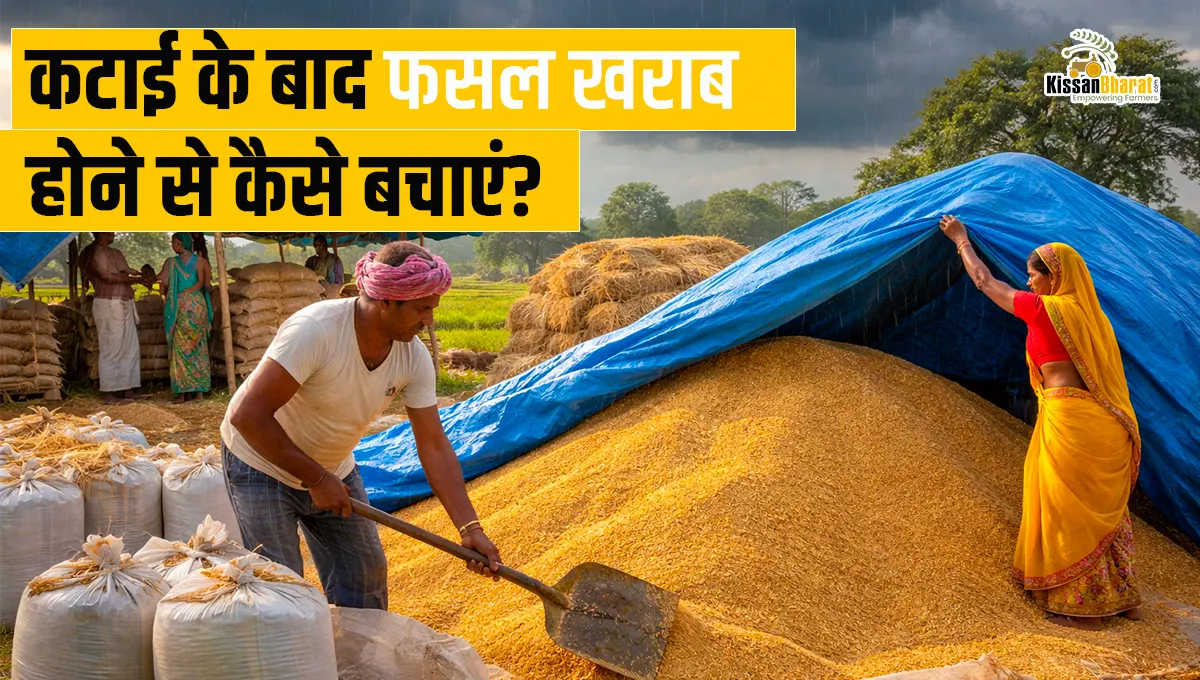
Harvesting crops is only half the job, what happens after that is equally important. Many farmers face losses not in the field but during storage due to poor post harvest handling and lack of proper systems. This is where effective harvest storage tips play a crucial role.
Proper storage ensures that the quality, quantity, and market value of crops are maintained. This is why understanding post-harvest management is crucial, as it can help reduce waste and increase profits. In this guide, we’ll explore practical ways to improve storage and prevent crop loss after harvesting.
Why Post-Harvest Management is Important
Effective post harvest management is essential for minimizing losses and maintaining crop quality. Improper storage can lead to spoilage, pest attacks, and moisture damage, all of which reduce profitability.
According to the Food and Agriculture Organization, a significant portion of agricultural produce is lost globally due to poor post harvest handling practices.
By adopting proper crop protection techniques, farmers can extend shelf life and improve market value. In modern agriculture farming, focusing on storage is just as important as cultivation for ensuring better returns.
Common Causes of Crop Loss After Harvesting
Understanding the causes of loss helps farmers apply the right harvest storage tips.
- Moisture Exposure: Leads to fungal growth and spoilage
- Pest Infestation: Rodents and insects damage stored crops
- Poor Ventilation: Causes heat buildup and reduces crop quality
- Improper Handling: Rough handling damages grains and produce
Experts from the Indian Council of Agricultural Research emphasize that identifying these risks early is key to improving post harvest management.
By addressing these issues, farmers can significantly reduce crop loss and improve storage efficiency.
Effective Harvest Storage Tips for Farmers
Here are some practical harvest storage tips to prevent crop loss:
1. Proper Drying Before Storage
Ensure crops are completely dry before storing. Moisture is one of the biggest causes of spoilage in post harvest handling.
2. Use Clean and Dry Storage Structures
Storage areas should be clean, dry, and free from pests. This is one of the most basic yet important crop protection techniques.
3. Maintain Proper Ventilation
Good airflow prevents heat buildup and reduces the risk of fungal growth.
4. Use Airtight Containers or Bags
Airtight storage helps protect crops from moisture and pest infestation.
5. Regular Inspection
Check stored crops regularly for signs of pests or spoilage. Early detection helps prevent major losses.
6. Use Natural Pest Control Methods
Neem leaves and other natural solutions can be used to protect stored grains from insects, supporting eco-friendly post harvest management.
7. Store Different Crops Separately
Mixing crops can lead to contamination and uneven storage conditions.
These harvest storage tips are widely recommended in the latest agricultural practices to improve storage efficiency and reduce losses.
Modern Storage Techniques Farmers Should Know (120 words)
With advancements in agriculture farming, modern storage solutions are becoming more accessible.
Technologies like cold storage, hermetic storage bags, and improved warehouse systems help maintain crop quality for longer periods. These methods are especially useful for perishable crops.
Government and institutional support programs, including those promoted by National Bank for Agriculture and Rural Development, encourage farmers to adopt better post-harvest handling techniques.
Using modern storage methods reduces losses and helps farmers sell their produce at better prices by avoiding distress selling.
Conclusion
Following the right harvest storage tips can significantly reduce losses and improve farm income. Proper drying, clean storage, and regular inspection are key to effective post harvest management.
By adopting modern post harvest handling methods and proven crop protection techniques, farmers can maintain crop quality and increase profitability. Focus on smart storage practices to protect your मेहनत and get the best value from your harvest.