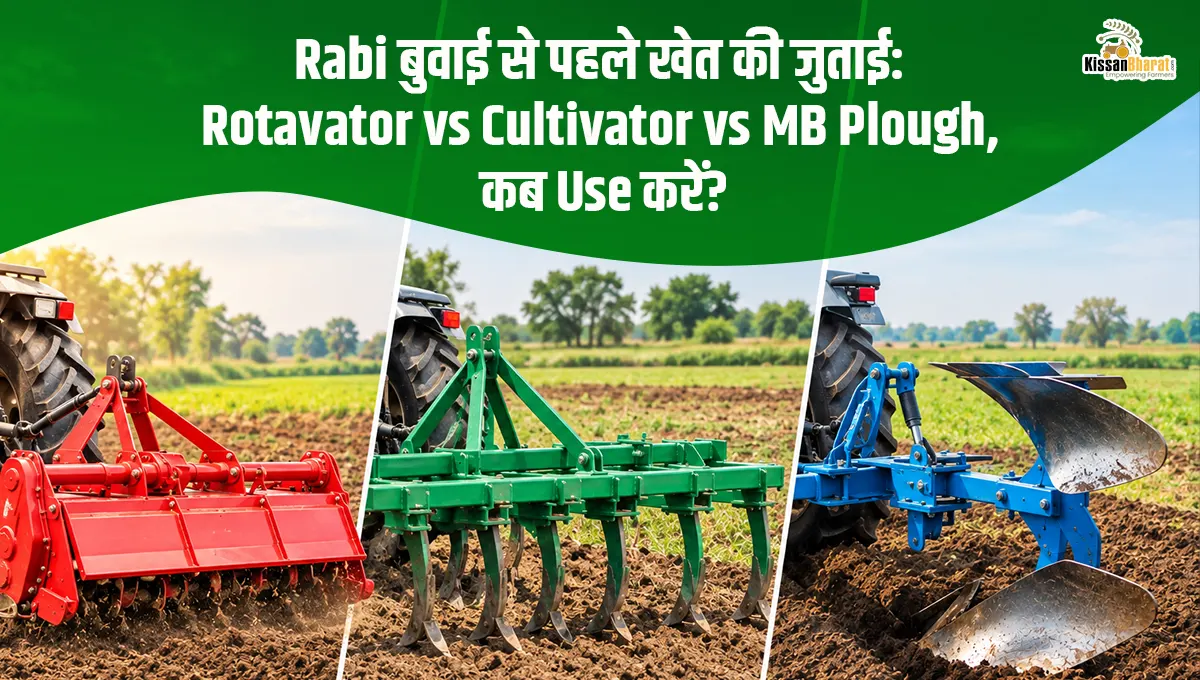

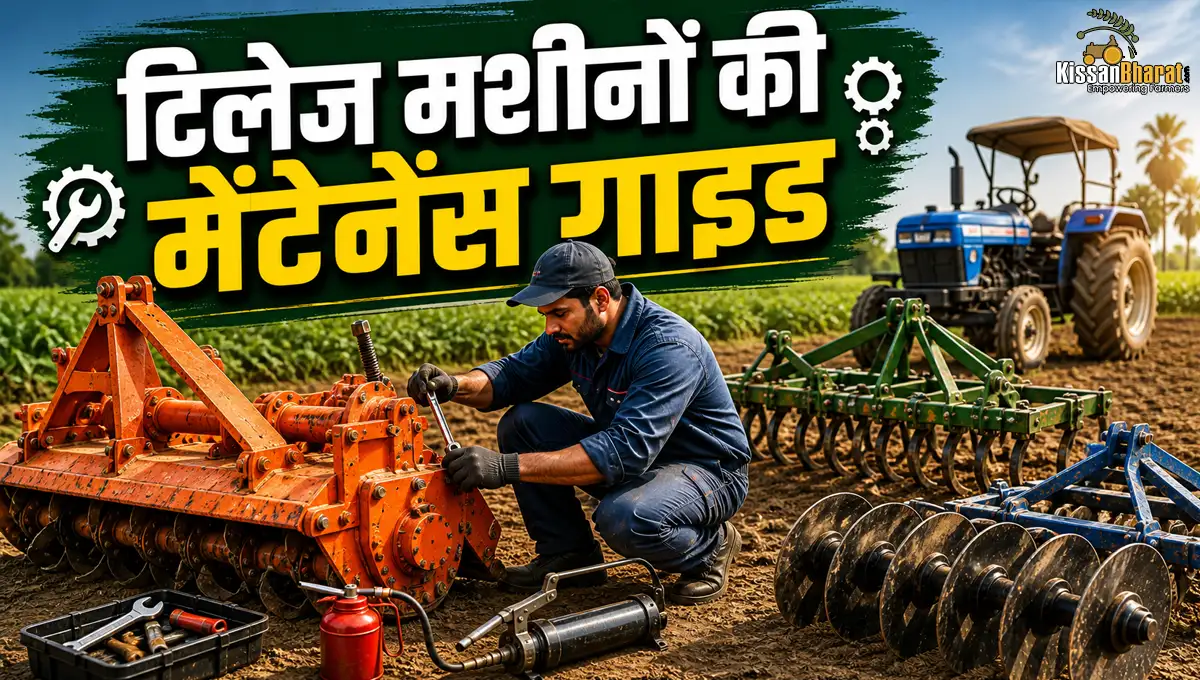
Investing in quality tillage equipment is only the first step, keeping it in good condition is what ensures its long-term performance. Many farmers overlook regular tillage equipment maintenance, which often leads to breakdowns, higher costs, and reduced efficiency.
Proper care of tools like cultivators, ploughs, and rotavators not only increases their lifespan but also improves farming productivity. Whether you’re using basic tools or advanced tractor attachments, maintenance plays a crucial role. In this blog, we’ll cover essential tips, including a cultivator maintenance guide, to help you keep your equipment running smoothly for years.
Why Tillage Equipment Maintenance Is Important?
Regular tillage equipment maintenance helps prevent unexpected breakdowns during critical farming periods. It ensures that machines perform efficiently and deliver consistent results.
Well-maintained equipment also reduces fuel consumption and repair costs. Proper maintenance of agricultural tools is key to improving productivity and sustainability.
Taking care of your tillage equipment also enhances safety and minimizes risks during operation. In the long run, maintenance is not an expense, it’s an investment in better performance and profitability.
Daily and Weekly Maintenance Checklist
A simple routine can go a long way in maintaining your tillage equipment:
Daily Checks
- Clean soil and debris after use
- Inspect blades and parts for damage
- Check bolts and tighten if needed
Weekly Checks
- Lubricate moving parts to reduce friction
- Inspect for rust and apply protective oil
- Check alignment and performance
Following these basic tillage equipment maintenance steps ensures that your tools remain in good working condition. Regular inspection also helps identify issues early before they become costly repairs.
This level of tractor attachment care is essential for maintaining efficiency in daily farming operations.
Cultivator Maintenance Guide
A cultivator is one of the most commonly used tillage equipment, which requires proper maintenance for its performance.
Start by regularly checking the tines or blades. Worn-out tines reduce efficiency and should be replaced when needed. Cleaning the cultivator after every use prevents soil buildup and rust formation.
Lubricating joints and moving parts ensures smooth operation and reduces wear. Farmers should also check for loose nuts and bolts to avoid damage during operation.
Proper storage is equally important. Keeping the cultivator in a dry place prevents rust and extends its lifespan.
This simple cultivator maintenance tip can help ensure that your equipment remains efficient and reliable throughout the farming season.
Seasonal Maintenance Tips
Seasonal care is a key part of tillage equipment maintenance.
Before the farming season begins, inspect all parts thoroughly and replace worn-out components. This ensures that your equipment is ready for heavy use.
After the season ends, clean the equipment properly and apply protective coatings to prevent rust. Store tools in a dry and covered area.
Following these seasonal steps helps maintain your tractor attachment care routine and improves durability.
Common Mistakes to Avoid
One common mistake is ignoring minor issues, which can lead to major breakdowns later.
Another mistake is not cleaning equipment after use, leading to rust and damage. Overloading tillage equipment can also reduce its lifespan.
Using improper lubrication or low-quality parts affects performance and efficiency.
Avoiding these mistakes ensures better results and helps maintain your equipment for long-term use.
Conclusion
Proper tillage equipment maintenance is essential for ensuring long-term performance and efficiency in farming. By following regular checks, seasonal care, and a proper cultivator maintenance guide, farmers can extend the life of their equipment.
Good tractor attachment care not only reduces costs but also improves productivity. Make maintenance a priority to protect your investment and achieve better results in modern agriculture.