
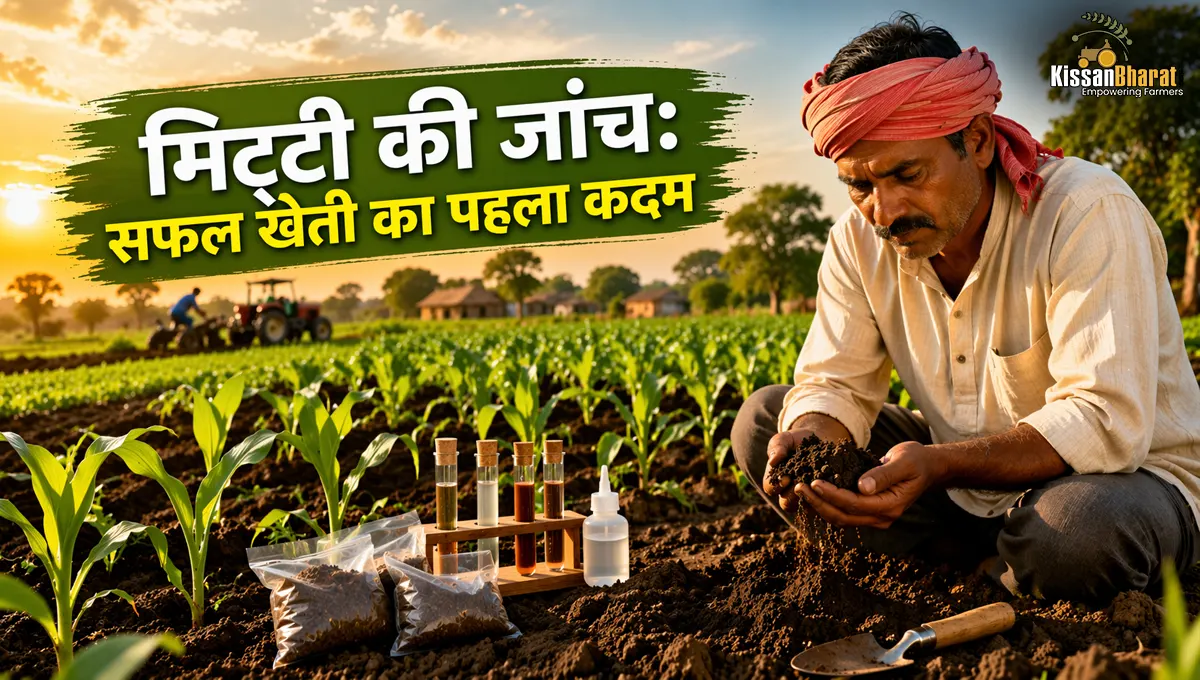
Before planting any crop, one of the most important yet often ignored steps is soil testing. Many farmers directly start cultivation without understanding the condition of their soil, which can lead to low yield and poor crop quality. Proper soil fertility testing helps farmers know what nutrients are missing and what needs to be improved.
In modern agriculture and farming, making informed decisions is crucial. And, in this blog, we’ll explain why testing your soil is essential before farming.
What is Soil Testing?
Soil testing is the process of analyzing soil to determine its nutrient content, pH level, and overall health. It helps farmers understand whether the soil is suitable for a particular crop.
A soil pH test is an important part of this process, as it shows whether the soil is acidic or alkaline. This directly affects nutrient availability.
Importance of Soil Testing in Farming
The importance of soil testing cannot be overstated in modern farming.
First, it helps farmers choose the right crop based on soil condition. Growing crops unsuitable for your soil can lead to poor yield.
Second, soil fertility testing helps in proper fertilizer application. Instead of guessing, farmers can apply only the required nutrients, reducing costs and improving efficiency.
Third, a soil pH test helps maintain the right balance for crop growth. Incorrect pH levels can limit nutrient absorption even if fertilizers are used.
Experts from the Indian Council of Agricultural Research recommend regular soil testing to improve productivity and sustainability in agricultural farming.
Key Benefits of Soil Testing
Here are some major benefits of soil testing:
1. Better Crop Selection
Knowing soil condition helps farmers select crops that grow best in their fields.
2. Improved Yield
Balanced nutrients ensure healthy plant growth and higher productivity.
3. Cost Savings
Farmers avoid overuse of fertilizers by following accurate results from soil fertility tests.
4. Soil Health Improvement
Regular testing helps maintain long-term soil health and fertility.
5. Efficient Use of Resources
Water, fertilizers, and inputs are used more effectively when soil conditions are known.
6. Reduced Environmental Impact
Proper fertilizer use prevents soil and water pollution, and supports sustainable agriculture.
Organizations like the National Bank for Agriculture and Rural Development promote soil testing as part of improved farming practices.
How to Conduct a Soil Test
Conducting a soil test is simple and highly beneficial.
First, collect soil samples from different parts of your field at a consistent depth. Mix them well to get a representative sample.
Next, send the sample to a certified laboratory or use soil testing kits available in the market. These tests provide details about nutrients and soil pH test results.
Farmers can also consult local agricultural experts for guidance. Following the test results helps in making better decisions regarding fertilizers and crop selection.
Regular soil testing ensures that your land remains productive and suitable for long-term farming.
Common Mistakes to Avoid
One common mistake is not testing soil regularly. Soil conditions change over time, so testing should be done periodically.
Another mistake is ignoring test results and continuing with old practices. This reduces the effectiveness of soil fertility testing.
Collecting incorrect samples can also lead to inaccurate results. Farmers should follow proper sampling methods.
Avoiding these mistakes ensures better outcomes and improves the importance of soil testing in farming success.
Conclusion
Soil testing is a crucial step that every farmer should follow before starting cultivation. It helps in understanding soil conditions, improving yield, and reducing unnecessary costs.
By focusing on the importance of soil testing, soil fertility testing, and proper soil pH testing, farmers can make smarter decisions in agriculture.
Investing time in soil testing today ensures better productivity, sustainability, and long-term success in farming.