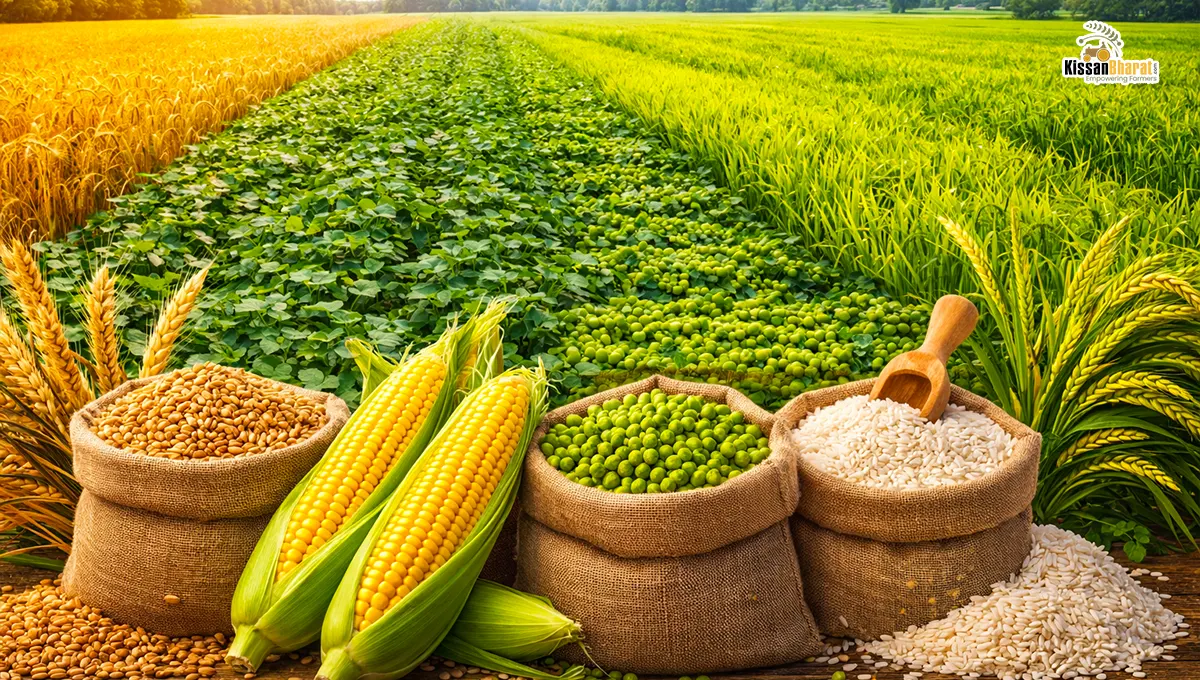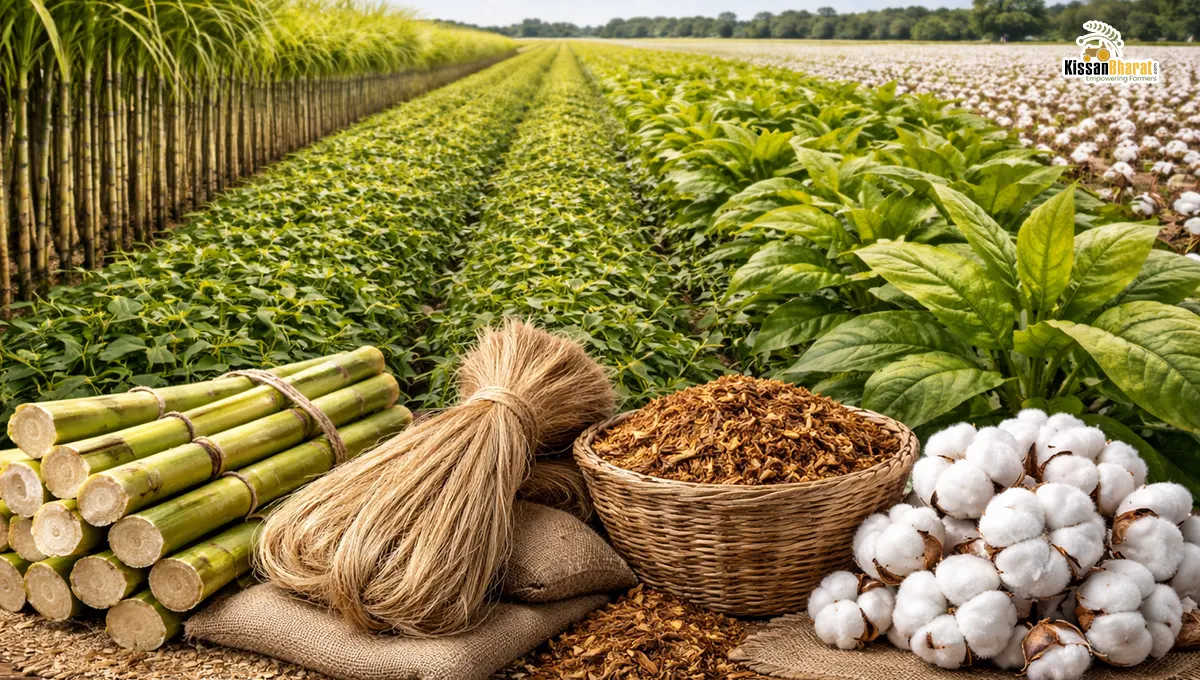


In today’s competitive agriculture farming, farmers are constantly looking for ways to increase income without expanding land. This is where intercropping farming becomes a smart solution. Instead of growing a single crop, farmers grow multiple crops together to maximize productivity and reduce risks.
This method not only improves land use but also helps in better resource management. In this blog, we’ll explore practical ideas, common intercropping methods, and the key intercropping benefits for higher income.
What is Intercropping Farming?
Intercropping farming is the practice of growing two or more crops together on the same field at the same time. The goal is to make better use of space, nutrients, and water.
According to the Food and Agriculture Organization, intercropping is an effective way to improve productivity and sustainability in modern agriculture.
By selecting the best intercropping crops combination, farmers can reduce risks, improve soil health, and increase overall farm output.
Common Intercropping Methods
There are several common intercropping methods used in farming and agriculture:
1. Mixed Intercropping
Growing two or more crops without any specific pattern. It helps reduce crop failure risk.
2. Row Intercropping
Different crops are grown in separate rows. This method allows better management and is widely used in intercropping farming.
3. Strip Intercropping
Crops are grown in strips wide enough for independent cultivation but close enough to interact.
4. Relay Intercropping
A second crop is planted before the first one is harvested, ensuring continuous production.
These common intercropping methods help farmers improve efficiency and productivity.
Best Intercropping Crop Combinations
Choosing the best intercropping crop combination is key to success in intercropping farming. Here are some effective options:
1. Maize + Beans
Beans fix nitrogen in the soil, which benefits maize growth. This combination improves soil fertility and yield.
2. Wheat + Mustard
Mustard grows faster and provides early income, while wheat continues to grow for a later harvest.
3. Sugarcane + Onion
Onion can be harvested early, providing additional income while sugarcane continues to grow.
4. Cotton + Groundnut
Groundnut improves soil health and reduces pest issues, making it a good companion for cotton.
5. Tomato + Garlic
Garlic helps repel pests, protecting tomato crops and reducing the need for chemicals.
6. Coconut + Banana
Bananas grow well under coconut trees and provide regular income during the coconut growth cycle.
Intercropping Benefits for Farmers
There are several important intercropping benefits that make this method popular:
- Higher Income: Multiple crops mean multiple sources of revenue
- Better Land Utilization: Maximizes output from limited land
- Improved Soil Health: Some crops improve soil fertility naturally
- Reduced Risk: If one crop fails, others can still generate income
- Pest Control: Certain crop combinations reduce pest attacks
By adopting intercropping farming, farmers can improve productivity and create a stable income model in agriculture farming.
Common Mistakes to Avoid
One common mistake in intercropping farming is choosing incompatible crops that compete for nutrients.
Another issue is improper spacing, which affects crop growth and yield. Ignoring soil requirements and water needs can also reduce effectiveness.
Farmers should carefully plan their best intercropping crops combination and follow proper methods. Avoiding these mistakes ensures better results and maximizes intercropping benefits.
Choosing the right crops is essential for successful intercropping. Read our complete guide here: https://kissanbharat.com/news/most-profitable-crops-for-small-land-farmers
Conclusion
Intercropping farming is a powerful strategy to increase income and improve sust ainability in modern agriculture. By selecting the best intercropping crop combination and following the right methods, farmers can maximize land use and reduce risks.
With multiple intercropping benefits, including higher income and better soil health, this method is ideal for both small and large farms. Adopt smart intercropping practices to grow more and earn more.