
The management of water is perhaps one of the most important processes when it comes to farming practices. The selection of appropriate pumps for water management can directly influence the expenses of farms, as well as their productivity levels. Nowadays, farmers often consider whether solar water pumps are more efficient than traditional electrical water pumps.
Electric pumps have been used by farmers for many years now. However, solar pumps have been becoming increasingly popular lately due to the cost and sustainability of their operation. However, which one works best for farms? This article provides information about the advantages and disadvantages of each type of pump according to its price, efficiency, etc.
What Are Electric Pumps?
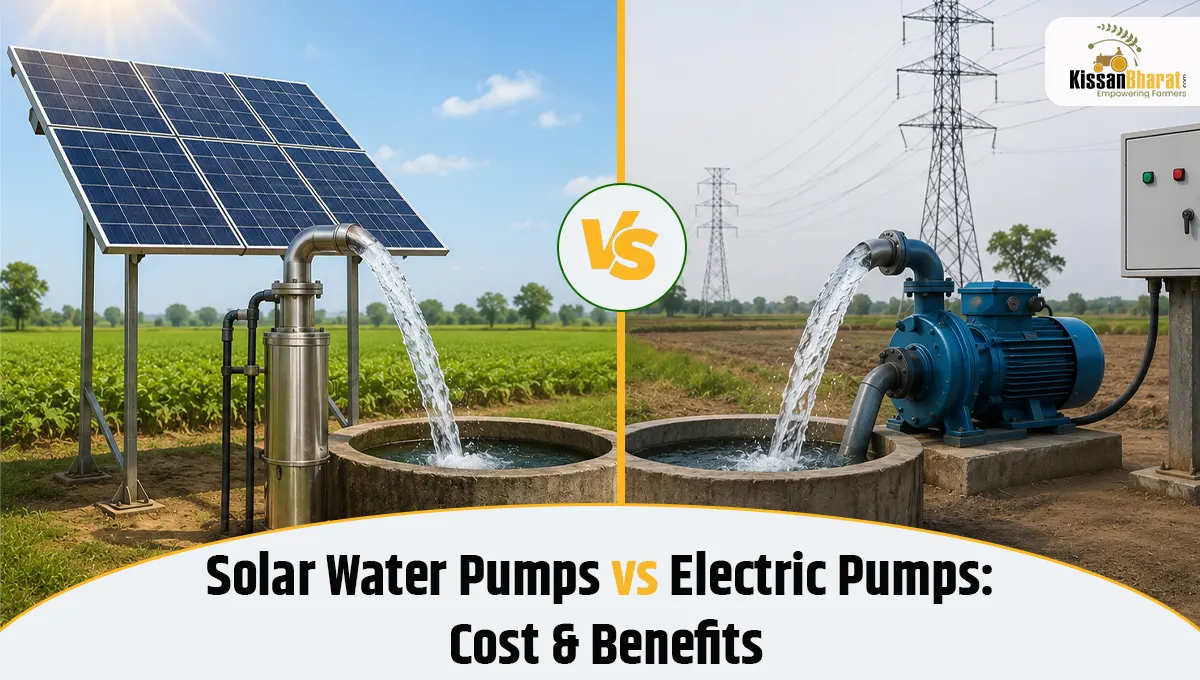
An electric pump is a type of water pump driven by electricity and can be used in irrigation and supply of water to the farms.
Electric pumps are generally dependable in their operation and can thus be used wherever there is a steady supply of electricity. Electric pumps can also vary in size depending on the needs of the farm.
The only problem with electric pumps is the escalating cost of electricity, which may cause problems in their use.
What Are Solar Water Pumps?
Solar water pumps are powered using solar panels which produce electricity and help run the irrigation system. Solar water pumps have become more common in recent years as their use helps in decreasing reliance on traditional energy sources.
Solar water pumps can be termed sustainable solutions for the modern world of agriculture and farming. Renewable energy solutions, according to the Food and Agriculture Organization, help make agriculture more sustainable.
Solar Water Pumps vs Electric Pumps
|
Factor |
Solar Water Pumps |
Electric Pumps |
|
Energy Source |
Solar energy |
Electricity |
|
Running Cost |
Very low |
Moderate to high |
|
Initial Cost |
Higher |
Lower |
|
Maintenance |
Low |
Moderate |
|
Dependency on Power Supply |
Independent |
Dependent |
|
Environmental Impact |
Eco-friendly |
Higher carbon footprint |
Cost Comparison: Which One Saves More?
When it comes to comparison between solar water pump and electrical pump, cost becomes one of the main factors to be considered.
Electrical pumps have relatively low initial purchasing cost, therefore, they become economically cheaper in the beginning. But then electricity and repair costs may start rising with time.
On the contrary, solar water pumps require high initial costs because of solar panels and installation fees. But then, operational cost becomes very low, as solar pumps operate on sunlight.
In this regard, solar pumps become economically cheaper than electrical pumps, especially in cases when water is used frequently. For farmers who need water frequently, the operational costs can help recover their initial cost investments.
Benefits of Solar Water Pumps
The first advantage that comes to mind when using solar water pumps is low costs in terms of operation. This is because they run on solar energy, and the farmer does not have to depend much on electrical power.
Additionally, they can be considered environmentally friendly and facilitate sustainable agriculture. Maintenance is easy due to the low number of moving parts in the system.
They are very useful for areas where there is no consistency in electricity provision. Solar water systems are gaining popularity in agriculture.
Benefits of Electric Pumps
Although there has been a growth in the number of solar-powered systems, there are a number of benefits associated with electric pumps.
Electric pumps can be easily accessed and are often cheaper during installation. Besides, electric pumps perform well under conditions of consistent power supply.
The use of electric pumps may be preferable for small-scale farmers operating on tight budgets. In addition, electric pumps are available in varying models and capacities.
Although the cost of operations may be relatively higher, electric pumps still prove efficient as irrigation methods in numerous farms.
Challenges Farmers Should Consider
These technologies are both faced with some difficulties.
One such difficulty is that the initial cost of using the solar pump system is relatively high, and weather might affect the production of solar energy.
In the case of electrical pumping systems, the cost of electricity is increasing, as well as the possibility of experiencing power blackouts.
It would be wise for farmers to make an assessment of what they need before adopting any one of these technologies.
Efficient irrigation becomes even more effective with modern water-saving technologies. Read our complete blog here: https://kissanbharat.com/news/best-irrigation-methods-for-different-crops-smart-water-use-guide
Conclusion
Decisions as to whether one should go for solar water pumps or electric pumps depend largely on financial capacity, irrigation needs, and future farming strategies. Though electric pumps have lower initial costs, the operating costs are much higher than those of the solar water system.
With the advancement in technology in the agriculture sector, many farmers are now opting to use solar water pumps because they are environmentally friendly.